Sensitive skin makes moisturizer shopping feel like defusing a bomb. Every new product is a gamble. Will it calm your skin or set off a chain reaction of redness, stinging, and tiny bumps? Most moisturizers marketed as “gentle” or “for sensitive skin” still contain fragrances, essential oils, or other irritants buried deep in the ingredient list.
Korean skincare brands have gotten genuinely good at formulating for sensitive skin. The best ones use minimal ingredient lists, barrier-repairing ceramides, and calming botanical extracts like centella asiatica. We tested 7 of them on our most reactive team member (who can’t use anything with fragrance, alcohol, or essential oils without consequences).
At a Glance: 7 Best Korean Moisturizers for Sensitive Skin
| Rank | Moisturizer | Key Ingredient | Texture | Fragrance | Best For |
|---|---|---|---|---|---|
| 1 | PURITO Dermide Relief Barrier | Ceramide NP, squalane, madecassoside | Rich cream | None | Overall winner — daily barrier repair |
| 2 | ETUDE SoonJung Hydro Barrier Cream | Panthenol, madecassoside | Lightweight gel-cream | None | Oily-sensitive, warm weather |
| 3 | Dr.Jart+ Ceramidin Skin Barrier Cream | 5 types of ceramides, shea butter | Rich, dense cream | None | Dry-sensitive, winter |
| 4 | Anua Heartleaf 70% Soothing Cream | 70% heartleaf, panthenol | Medium cream | None | Redness, recovery, post-procedure |
| 5 | Torriden Dive-In Soothing Cream | 5 types hyaluronic acid, allantoin | Light, gel-like | None | Oily-sensitive, congestion-prone |
| 6 | SKIN1004 Madagascar Centella Cream | Centella asiatica, squalane | Medium cream | None | All-rounder, budget pick |
| 7 | iUNIK Centella Calming Gel Cream | Centella, tea tree water, snail mucin | Light gel-cream | None | Summer, light texture preference |
Quickest answer: start with the PURITO Dermide Relief Barrier Moisturizer — the ceramide + squalane + madecassoside combo directly repairs the barrier and is safe for the widest range of sensitive-skin types. For lighter textures (oily-sensitive), the ETUDE SoonJung or Torriden Dive-In are the gentler gel-cream alternatives.
What Sensitive Skin Actually Needs
Barrier repair. Sensitive skin almost always has a compromised moisture barrier. The barrier is the outer layer of skin that keeps moisture in and irritants out. When it’s damaged, everything stings, skin loses water faster, and inflammation becomes chronic.
Ceramides. These are the lipids (fats) that make up 50% of your skin barrier. Replenishing ceramides is the most direct way to repair and strengthen the barrier.
Anti-inflammatory ingredients. Centella asiatica, madecassoside, panthenol (vitamin B5), and allantoin calm existing irritation while the barrier heals.
What to avoid. Fragrance, alcohol denat, essential oils (even “natural” ones like tea tree or lavender), high concentrations of active acids, and products with 30+ ingredients.
The 7 Best Korean Moisturizers for Sensitive Skin
1. PURITO Dermide Relief Barrier Moisturizer
PURITO Dermide Relief Barrier Moisturizer
Key ingredients. Ceramide NP, squalane, madecassoside. Texture. Rich cream that absorbs well without heaviness. Fragrance. None.
This is our number one recommendation for sensitive skin. The ceramide and squalane combination directly repairs the moisture barrier, while madecassoside (a compound from centella) calms inflammation. It’s rich enough for dry sensitive skin but absorbs cleanly enough for combination types.
2. ETUDE SoonJung Hydro Barrier Cream
ETUDE SoonJung Hydro Barrier Cream
Key ingredients. Panthenol, madecassoside, green tea water. Texture. Lightweight gel-cream. Fragrance. None.
The SoonJung line is ETUDE’s sensitive skin range, and this barrier cream is the star. Panthenol (vitamin B5) at a high concentration soothes and repairs. The gel-cream texture makes it excellent for warmer weather or oily-sensitive skin types.
3. Dr.Jart+ Ceramidin Skin Barrier Moisturizing Cream
Key ingredients. Five types of ceramides, panthenol, shea butter. Texture. Rich, dense cream. More occlusive than others on this list. Fragrance. None.
The premium option. Dr.Jart+‘s Ceramidin line is built around a proprietary ceramide complex that mimics the skin’s natural lipid barrier. This cream is thick and nourishing. Our dry-sensitive tester called it “the cream that finally stopped the flaking.”
Best for dry sensitive skin, especially during winter.
4. Anua Heartleaf 70% Soothing Cream
Anua Heartleaf Soothing Cream
Key ingredients. 70% heartleaf (houttuynia cordata), panthenol, squalane. Texture. Medium-weight cream. Sinks in smoothly. Fragrance. None.
Heartleaf is one of the most effective calming ingredients in Korean skincare, and at 70% concentration, this cream delivers a serious dose. Excellent for skin that’s red, reactive, or recovering from a procedure or irritation.
5. Torriden Dive-In Hyaluronic Acid Soothing Cream
Key ingredients. Five types of hyaluronic acid, panthenol, allantoin. Texture. Lightweight, almost gel-like. Absorbs fast. Fragrance. None.
The lightest option on this list. If your sensitive skin is also oily or congestion-prone, this is the moisturizer to try. The multiple molecular weights of hyaluronic acid provide layered hydration without any heaviness.
6. SKIN1004 Madagascar Centella Soothing Cream
SKIN1004 Centella Soothing Cream
Key ingredients. Centella asiatica extract from Madagascar, squalane, shea butter. Texture. Medium cream. Nourishing but not heavy. Fragrance. None.
SKIN1004 sources their centella from Madagascar, which is considered the highest quality. This cream is a solid all-rounder for sensitive skin at a reasonable price point.
7. iUNIK Centella Calming Gel Cream
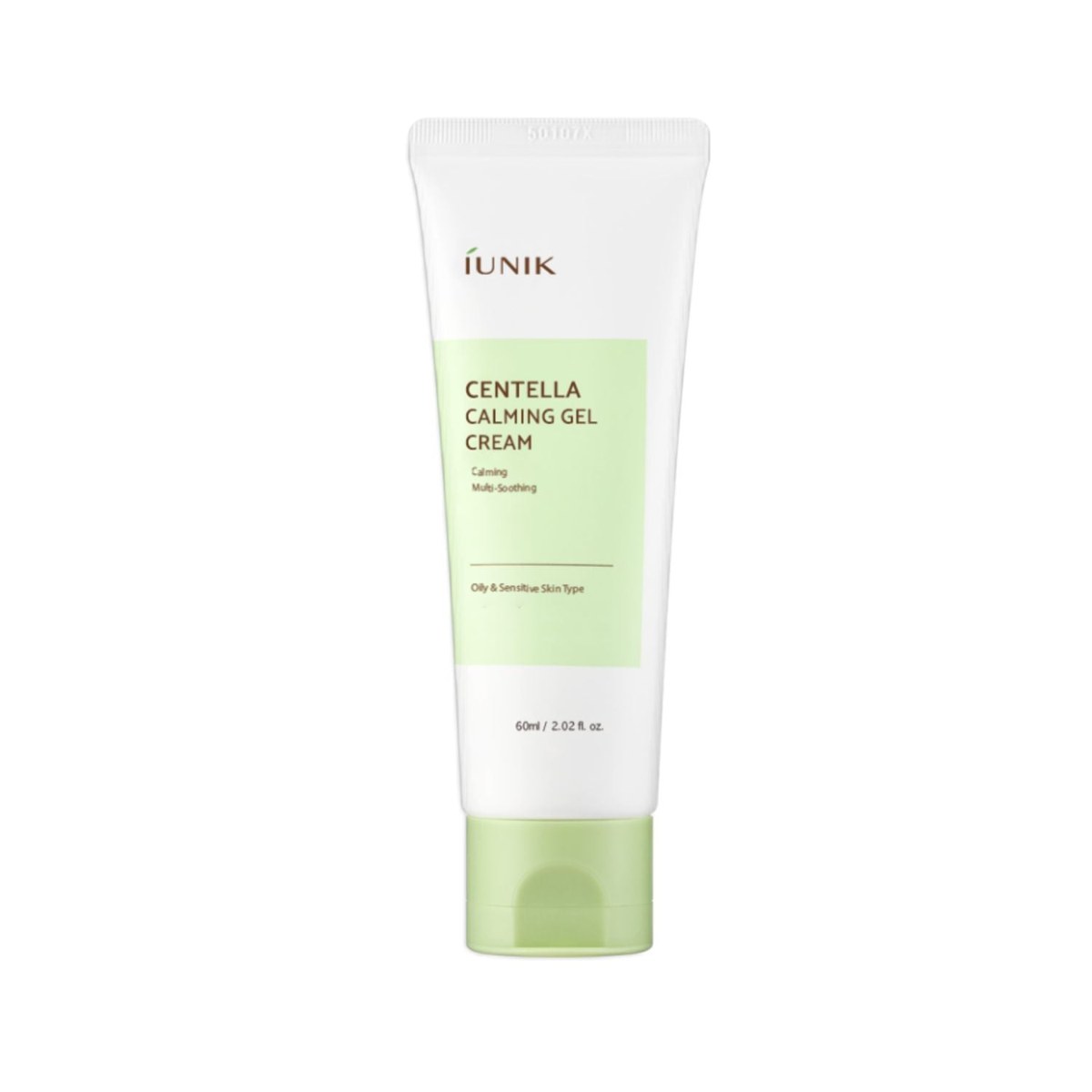
Key ingredients. Centella asiatica, tea tree leaf water, snail secretion filtrate. Texture. Light gel-cream. Very refreshing. Fragrance. None.
A calming gel-cream that combines centella and snail mucin for both soothing and repair. The gel texture is excellent for summer or for sensitive skin that can’t handle rich creams. The tea tree water provides mild antibacterial benefits without the irritation of concentrated tea tree oil.
How to Moisturize Sensitive Skin
- Apply to damp skin. Right after toner, while your skin is still slightly wet. This locks in more hydration and reduces the chance of the moisturizer “pulling” on dry skin.
- Use gentle pressure. Press the moisturizer into your skin rather than rubbing. Friction is an irritant for sensitive skin.
- Don’t skip moisturizer in summer. Even oily-sensitive skin needs moisture. Switch to a lighter gel-cream instead of dropping the step entirely.
- Patch test everything. Apply a new product to a small area behind your ear or on your inner forearm for 48 hours before using it on your face.
The Bigger Picture
Sensitive skin isn’t just a topical problem. Stress, poor sleep, diet, and gut health all affect skin reactivity. If your skin is persistently sensitive despite a careful routine, the issue might be internal as much as external.
For a deeper dive into how daily habits affect your skin’s sensitivity, see Walking for Health: The Most Underrated Exercise on Rooted Glow. The stress reduction from daily walking has a real impact on skin reactivity.
If you want to pair this with a full gentle routine, start with our Korean skincare routine for rosacea guide — it’s the companion piece for reactive, redness-prone skin. For cleansing, see our best Korean cleansing balms and oils guide — the first step matters just as much as your moisturizer.
Frequently Asked Questions
What’s the best Korean moisturizer for sensitive skin?
The PURITO Dermide Relief Barrier Moisturizer is our top overall pick. It combines ceramide NP (for barrier repair), squalane (for gentle hydration), and madecassoside (for calming inflammation), and it’s fragrance-free. For lighter textures, the ETUDE SoonJung Hydro Barrier Cream or Torriden Dive-In are equally gentle and suit oily-sensitive or combination skin better.
Are Korean moisturizers good for sensitive skin?
Yes. Korean formulators have built entire product lines around sensitive skin — PURITO’s Dermide range, ETUDE’s SoonJung line, and Dr.Jart+‘s Ceramidin series are all designed around barrier repair, fragrance-free formulations, and calming ingredients like centella, panthenol, and madecassoside. The minimal ingredient lists (often under 20 ingredients) reduce the risk of reactions compared to many Western moisturizers.
What ingredients should sensitive skin avoid in moisturizers?
Avoid fragrance (listed as “parfum” or “fragrance”), alcohol denat, essential oils (including tea tree, lavender, and citrus oils), and high concentrations of active acids like AHA or BHA. Also skip products with 30+ ingredients — longer lists mean more opportunities for a reaction. If you’re not sure whether an ingredient is safe, cross-check it against our skincare ingredient compatibility guide.
Is Korean moisturizer better than Western moisturizer for sensitive skin?
For sensitive skin specifically, yes — in most cases. Korean moisturizers tend to use lighter textures, simpler ingredient lists, and calming botanical extracts (centella, heartleaf, mugwort) that are harder to find in Western formulations. They also avoid fragrance more consistently in their “sensitive” ranges. The exceptions are clinical Western brands like CeraVe and La Roche-Posay, which are also excellent.
Can sensitive skin use a ceramide moisturizer daily?
Yes, and it’s actively recommended. Ceramides are the lipids that make up roughly 50% of your skin barrier. Replenishing them daily is the most direct way to repair and maintain a healthy barrier. Sensitive skin almost always has a compromised barrier, which is why ceramide-based moisturizers like PURITO Dermide or Dr.Jart+ Ceramidin are ideal as daily use.
Do Korean moisturizers for sensitive skin work for rosacea?
Many do. The ingredients that help sensitive skin — ceramides, panthenol, centella, madecassoside — are also the ones most often recommended for rosacea. The Anua Heartleaf 70% Soothing Cream and SKIN1004 Madagascar Centella Soothing Cream are particularly popular with rosacea-prone users because of their high concentrations of anti-inflammatory botanicals. Always patch-test first.
How long does it take for a Korean moisturizer to calm sensitive skin?
Initial calming (reduced stinging, less redness) usually shows within 1–2 weeks of consistent use. Full barrier repair takes 4–6 weeks, which is roughly one skin-cell turnover cycle. If your skin is still reacting after 2 weeks of use with a fragrance-free, gentle product, the problem is likely another product in your routine — not the moisturizer.
Are these Korean moisturizers safe during pregnancy?
Most on this list are pregnancy-safe. Ceramides, panthenol, squalane, centella, heartleaf, and hyaluronic acid are all considered safe during pregnancy and breastfeeding. Always check the full ingredient list against your doctor’s guidance, particularly if the product contains retinol derivatives, salicylic acid, or any active acids. The products on this list are free of those ingredients.
For a complete guide to building a K-beauty routine that’s safe at every stage of pregnancy — including what to avoid, gray-zone ingredients, and swap recommendations — see our pregnancy-safe Korean skincare guide.