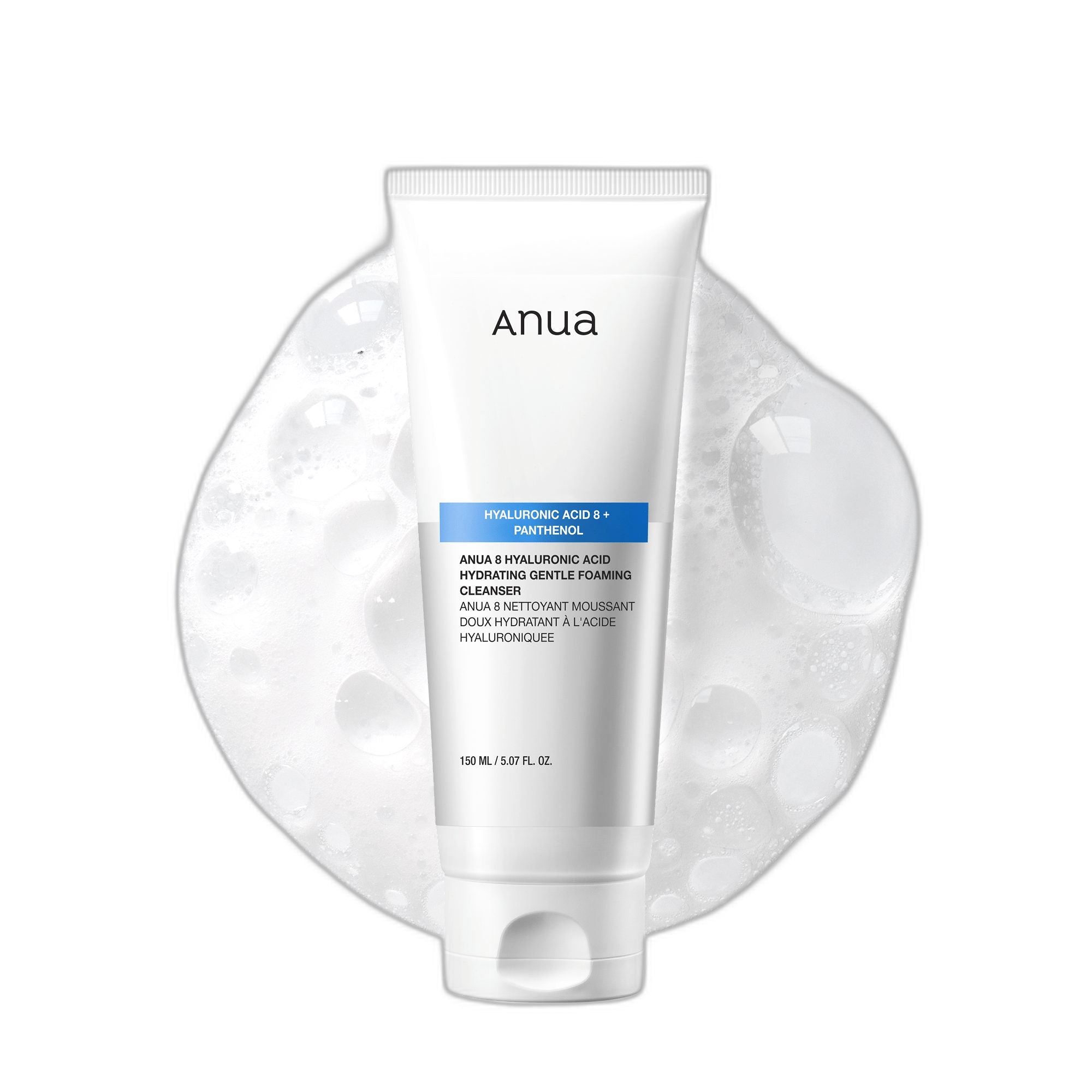
Comparing skincare products can be complex, especially when different sizes and formulations are available. This guide helps you assess the true value of a product by focusing on unit pricing, ensuring you make informed choices without inadvertently purchasing a size that doesn’t meet your needs.
Understanding Unit Price
Unit pricing breaks down a product’s cost to a standard measurement, such as per ounce, per milliliter, or per gram. This allows for a direct comparison of value, regardless of packaging size. Without this, a larger bottle might seem like a better deal, but its cost per unit could actually be higher than a smaller, more concentrated alternative.
When considering your skincare routine, the American Academy of Dermatology Association suggests a basic framework often includes a cleanser, moisturizer, and sun protection. For more on budgeting for skincare, you can refer to their guidance at AAD skincare-budget guidance. Our focus here is on the practical math of comparison.
Steps to Calculate Unit Price
To effectively compare skincare items, follow these steps:
-
Identify the Total Price: Note the full retail price of the product.
-
Identify the Total Volume or Weight: Find the net contents listed on the packaging. This will typically be in milliliters (ml), fluid ounces (fl oz), grams (g), or ounces (oz).
-
Choose a Consistent Unit: For accurate comparison, all products must be converted to the same unit. If one product is in ml and another in fl oz, convert one to match the other (e.g., 1 US fl oz is approximately 29.57 ml). Similarly, for solids, ensure you’re comparing grams to grams or ounces to ounces.
-
Perform the Calculation: Divide the total price by the total volume or weight.
Unit Price = Total Price / Total Volume (or Weight)
The result will be the cost per ml, per fl oz, per g, or per oz.
Considerations Beyond Unit Price: Avoiding the “Wrong Size”
While unit price reveals cost-effectiveness, it’s not the only factor. The “wrong size” isn’t just about price; it’s about suitability for your usage patterns and product characteristics.
- Your Usage Rate: How quickly do you use a specific product? A very large size might offer a low unit price, but if you use it sparingly, it could expire before you finish it.
- Shelf Life and Expiration: Skincare products have a limited shelf life, often indicated by a PAO (Period After Opening) symbol (an open jar icon with a number followed by ‘M’ for months). A large size might become ineffective or unsafe if not used within its PAO or before its general expiration date.
- Storage Space: Bulk purchases require adequate storage space, which might be a concern in smaller living areas.
- Portability and Travel: Smaller sizes are often more convenient for travel or carrying in a bag. While their unit price might be higher, their practicality can justify the cost.
- Product Stability: Some active ingredients degrade when exposed to air, light, or temperature fluctuations. A very large container that takes a long time to use might expose the product to these elements more frequently, potentially reducing its efficacy over time. Consider pump dispensers or opaque packaging for sensitive ingredients.
- Trying New Formulations: If you’re experimenting with a new cleanser, moisturizer, or sun protection product, starting with a smaller size is often prudent to ensure it suits your skin without committing to a large, potentially unused quantity.
Skincare Unit Price Comparison Worksheet
Use this worksheet to compare up to three products.
| Item Description | Product A | Product B | Product C |
|---|---|---|---|
| 1. Total Price | |||
| 2. Total Volume/Weight | |||
| 3. Chosen Unit (e.g., ml, g) | |||
| 4. Converted Volume/Weight (if needed) | |||
| 5. Calculated Unit Price (Row 1 / Row 4) | |||
| 6. Your Usage Rate (e.g., daily, weekly) | |||
| 7. Estimated Shelf Life (PAO/Exp. Date) | |||
| 8. Storage Feasibility | |||
| 9. Portability Needs | |||
| 10. Initial Trial (Y/N) |
Hypothetical Worked Example
Let’s compare two hypothetical moisturizers:
Product A (Smaller Size)
- Total Price: (Hypothetical) $15.00
- Total Volume: 30 ml
Product B (Larger Size)
- Total Price: (Hypothetical) $25.00
- Total Volume: 60 ml
Calculation:
- Product A Unit Price: $15.00 / 30 ml = $0.50 per ml
- Product B Unit Price: $25.00 / 60 ml = $0.4167 per ml (approximately $0.42 per ml)
In this hypothetical scenario, Product B has a lower unit price, suggesting it offers more product per dollar. However, if you only use moisturizer occasionally, or if Product B has a short shelf life, the smaller Product A might still be a more practical choice to avoid waste.
Limitations
This guide provides a structured approach to comparing product value and suitability. It is a planning tool designed to aid decision-making based on mathematical comparison and practical considerations. It does not replace personal preference, individual skin compatibility testing, or the advice of a dermatologist for specific skin concerns. The effectiveness or suitability of a product for your unique skin type cannot be determined through unit price comparison alone.
For more practical guides and how-tos, visit our collection at /category/how-tos/.
Transparency Note: This guide was drafted with AI assistance. It is intended as a planning resource for comparing skincare products and does not offer hands-on testing, medical advice, or specific product recommendations.