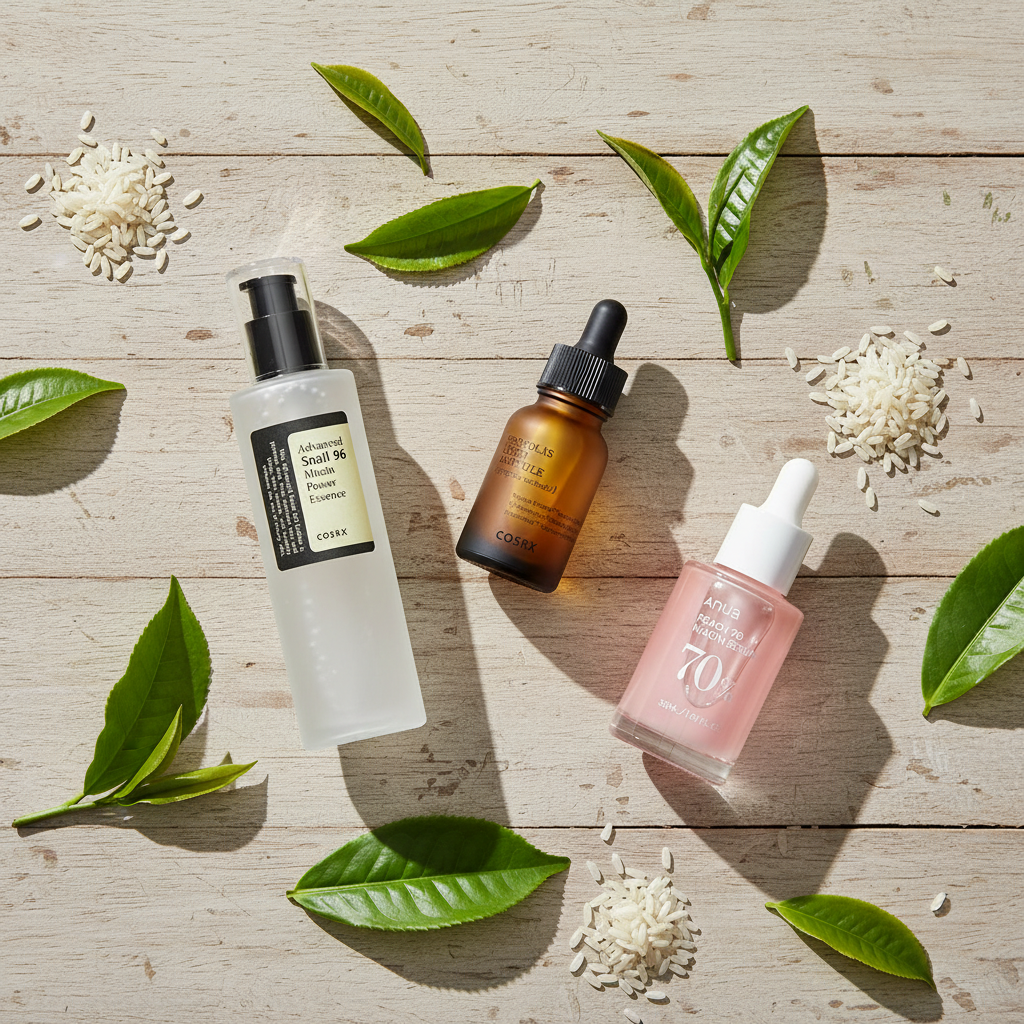
K-Beauty Ingredients Decoded
A complete guide to the most popular Korean skincare ingredients, from snail mucin to centella asiatica. What each one does, who it's for, and how to use it.
 Glow Coded Editorial
 Korean skincare has introduced the world to ingredients that most Western beauty brands never thought to use. Snail mucin. Fermented rice water. Bee venom. Centella asiatica. Some of them sound like they belong in a biology class rather than on your bathroom shelf.
But there’s a reason these ingredients have earned cult followings. Korean skincare brands invest heavily in research, and many of these ingredients have studies backing their effectiveness. The challenge for most people isn’t finding K-Beauty products. It’s understanding which ingredients actually matter for their skin.
We’ve spent years testing products with these ingredients, reading the research, and talking to dermatologists. This guide breaks down every major K-Beauty ingredient so you can make informed choices rather than impulse purchases.
The Hydration Heroes
Hyaluronic Acid
What it is. A molecule your skin already produces naturally. It holds up to 1,000 times its weight in water, making it one of the most effective humectants in skincare.
What it does. Pulls moisture from the environment into your skin, plumping it up and reducing the appearance of fine lines. Gives skin that bouncy, hydrated look Koreans call “chok chok.”
Who it’s for. Everyone, genuinely. Every skin type benefits from hyaluronic acid. It’s especially helpful for dehydrated skin (which is different from dry skin: you can be oily and dehydrated simultaneously).
How to use it. Apply to damp skin. This is important. Hyaluronic acid needs water to work. If you apply it to dry skin in a dry environment, it can actually pull moisture out of your skin instead. Mist your face, apply the hyaluronic acid, then seal with moisturizer.
For a deeper look at this ingredient, read our guide: The Truth About Hyaluronic Acid
Ceramides
What they are. Lipids (fats) that make up about 50% of your skin’s barrier. They’re the “mortar” between the “bricks” (skin cells) that keep your barrier intact.
What they do. Repair and strengthen your skin barrier, lock in moisture, and protect against environmental damage. A healthy ceramide level means your skin retains hydration and stays resilient.
Who they’re for. Anyone with a compromised barrier (flaking, tightness, stinging when applying products), dry skin, eczema-prone skin, or anyone recovering from over-exfoliation.
How to use them. Ceramide-rich moisturizers and creams. They work best in combination with cholesterol and fatty acids, which mimic the skin’s natural lipid structure.
Squalane
What it is. A lightweight, plant-derived oil that mimics your skin’s natural sebum. Originally sourced from shark liver (squalene), the skincare industry has largely shifted to olive or sugarcane-derived squalane.
What it does. Moisturizes without clogging pores, softens skin, and reinforces the moisture barrier. It’s one of the few oils that works well for every skin type, including acne-prone.
Who it’s for. All skin types. Particularly good for oily skin that needs moisture without heaviness, and dry skin that needs an extra layer of protection.
How to use it. As your last step before sunscreen (morning) or as your final step (evening). A few drops patted over moisturizer. Can also be mixed into your moisturizer.
The Repair and Soothing Squad
Centella Asiatica (Cica)
What it is. A plant that has been used in traditional medicine for centuries. In skincare, extracts from centella (also called tiger grass) contain four key compounds: madecassoside, asiaticoside, madecassic acid, and asiatic acid.
What it does. Reduces inflammation, promotes wound healing, strengthens the skin barrier, and stimulates collagen production. It’s the ingredient you reach for when your skin is angry.
Who it’s for. Sensitive skin, redness-prone skin, acne-scarring concerns, anyone whose skin is irritated from over-exfoliation or harsh treatments.
How to use it. Found in serums, creams, and the popular “cica balms.” Can be used morning and evening. Pairs well with almost everything, as it’s gentle and non-reactive.
Mugwort (Artemisia)
What it is. An herb with a long history in Korean traditional medicine, now gaining popularity in skincare for its calming properties.
What it does. Soothes irritation, reduces redness, provides antioxidant protection, and has mild antibacterial properties. It’s like centella’s less famous but equally talented sibling.
Who it’s for. Sensitive, reactive skin. People with rosacea or redness concerns. Anyone looking for a calming ingredient without heaviness.
How to use it. Typically found in essences and toners. Apply after cleansing, before serums.
Propolis
What it is. A resinous substance bees produce to seal and protect their hives. It’s rich in flavonoids, amino acids, and vitamins.
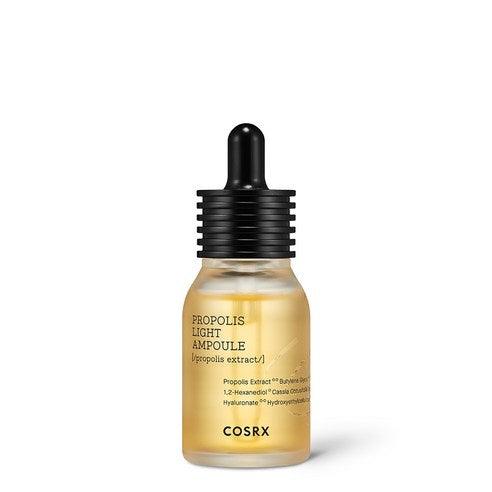
What it does. Antibacterial, anti-inflammatory, and healing. Propolis helps with acne (the antibacterial properties target acne-causing bacteria), soothes irritation, and supports skin repair.
Who it’s for. Acne-prone skin, damaged skin, anyone looking for natural antibacterial protection. Works surprisingly well for combination skin.
How to use it. Serums and ampoules with propolis extract. Can be used daily, morning and evening.
The Brightening Agents
Rice Extract (Oryza Sativa)
What it is. Extracts from rice bran, rice water, or fermented rice. Korean and Japanese women have used rice water for brightening skin for centuries.
What it does. Brightens and evens skin tone, provides gentle exfoliation (rice bran contains natural AHAs), moisturizes, and delivers antioxidant protection.
Who it’s for. Dull skin, uneven skin tone, anyone who wants gentle brightening without strong acids. All skin types tolerate rice extracts well.
How to use it. Found in cleansers, toners, essences, and masks. Rice-based cleansers are particularly popular for their gentle brightening effect.
Licorice Root Extract
What it is. Derived from the root of the Glycyrrhiza glabra plant. Contains glabridin, a compound that inhibits melanin production.
What it does. Fades dark spots and hyperpigmentation, soothes inflammation, and evens skin tone. One of the most effective natural brighteners, backed by solid research.
Who it’s for. Hyperpigmentation, post-inflammatory marks from acne, sun spots. Also beneficial for anyone dealing with redness, as it has anti-inflammatory properties.
How to use it. Found in serums, essences, and spot treatments. Pairs beautifully with niacinamide for enhanced brightening.
Fermented Ingredients (Galactomyces, Saccharomyces)
What they are. Yeast-fermented filtrates. Galactomyces ferment filtrate (made famous by certain Japanese and Korean essences) and saccharomyces ferment filtrate are the most common.
What they do. Fermentation breaks ingredients down into smaller molecules that penetrate skin more easily. These filtrates brighten, hydrate, improve skin texture, and strengthen the barrier. They’re packed with amino acids, vitamins, and minerals.
Who they’re for. Anyone wanting improved radiance and texture. Particularly good for dull, rough, or uneven skin.
How to use them. Most commonly found in essences and first treatment essences. Apply after toner, before serum.
The Unique K-Beauty Stars
Snail Mucin (Snail Secretion Filtrate)
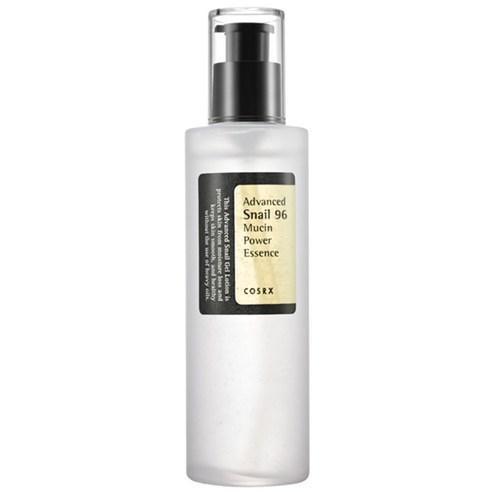
What it is. Exactly what it sounds like: the mucus snails produce to protect and repair their skin. Before you recoil, hear us out.
What it does. Deeply hydrating, wound-healing, and soothing. Contains glycoproteins, hyaluronic acid, glycolic acid, and zinc. Snail mucin addresses dryness, fine lines, acne marks, and dullness all at once.
Who it’s for. Virtually everyone. It’s the Swiss Army knife of skincare ingredients. Especially good for damaged or dehydrated skin.
How to use it. Serums, essences, and creams. Can be used morning and evening. Layers well under and over other products.
Bee Venom
What it is. A synthetic or carefully harvested compound that mimics a bee sting response on the skin (without the pain or allergic risk, for most people).
What it does. Triggers a mild inflammatory response that stimulates blood flow and collagen production. Essentially tricks your skin into healing mode, firming and plumping as a result.
Who it’s for. Aging or sagging skin concerns. Not for anyone with a bee allergy (patch test is essential).
How to use it. Found in serums and masks. Use 2-3 times per week rather than daily. Always patch test first.
Green Tea (Camellia Sinensis)
What it is. Extract from green tea leaves, rich in polyphenols (especially EGCG, epigallocatechin gallate).
What it does. Powerful antioxidant that protects against environmental damage, reduces inflammation, controls oil production, and has mild antimicrobial properties.
Who it’s for. Oily and acne-prone skin especially, but all skin types benefit from the antioxidant protection. Great for anyone living in urban environments with high pollution exposure.
How to use it. Found in virtually every product format. Cleansers, toners, serums, moisturizers. A green tea toner is a solid everyday staple.
Tea Tree
What it is. Essential oil from the Melaleuca alternifolia plant. A natural antiseptic with a long medicinal history.
What it does. Targets acne-causing bacteria, reduces inflammation, and helps control breakouts. A study in the Medical Journal of Australia found that 5% tea tree oil was as effective as 5% benzoyl peroxide for acne, with fewer side effects.
Who it’s for. Acne-prone skin. Not recommended for dry or sensitive skin, as it can be drying.
How to use it. In targeted spot treatments or diluted in serums. Never apply pure tea tree oil directly to your face.
How to Build an Ingredient-Based Routine
Instead of shopping by product type, try shopping by ingredient. Here’s how:
- Identify your top 2-3 skin concerns.
- Match each concern to an ingredient from this guide.
- Find products featuring those ingredients. Look for them in the first few spots on the ingredient list (ingredients are listed by concentration).
- Introduce one at a time. Give each new ingredient two weeks to show how your skin responds.
Example: Dull, Dehydrated, Sensitive Skin
- Hyaluronic acid toner (hydration)
- Centella serum (calming, repair)
- Rice-based cleanser (gentle brightening)
- Ceramide moisturizer (barrier repair)
Example: Oily, Acne-Prone Skin
- Green tea toner (antioxidant, oil control)
- Propolis serum (antibacterial, soothing)
- BHA exfoliant 2x per week (pore clearing)
- Lightweight squalane (non-comedogenic moisture)
Explore Further
This guide covers the what and why. For specific product recommendations and deeper dives, explore our ingredient spotlights:
- The Truth About Hyaluronic Acid
- Niacinamide vs Vitamin C: Which Do You Need?
- Best Snail Mucin Products 2026
Understanding ingredients is the single most useful skill in skincare. Trends come and go, product lines get discontinued, but ingredient knowledge is forever. Once you know what works for your skin at the molecular level, you can walk into any store, in any country, and find what you need.
Keep Reading
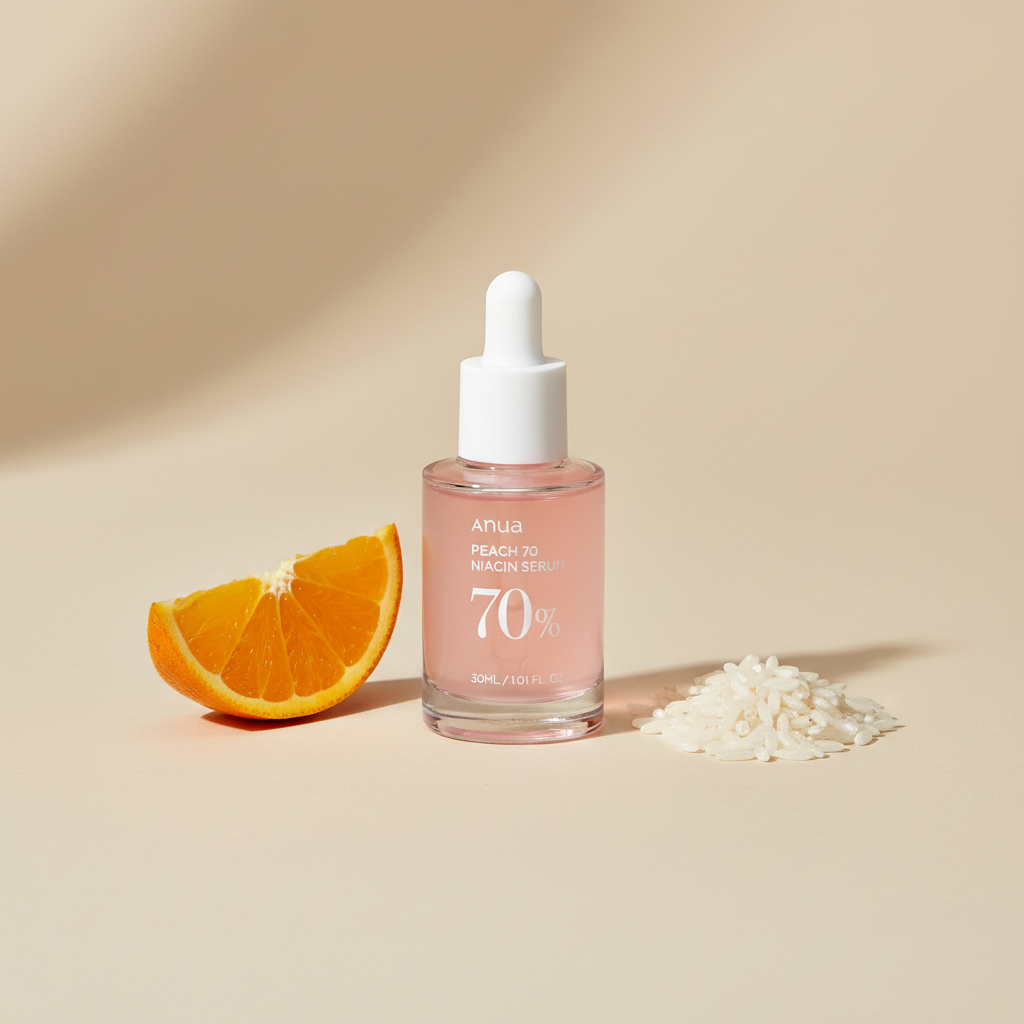
Niacinamide vs Vitamin C: Which Do You Need?
Two of skincare's most popular ingredients go head to head. what each one does, who should use which, and whether you can use both.
The Truth About Hyaluronic Acid
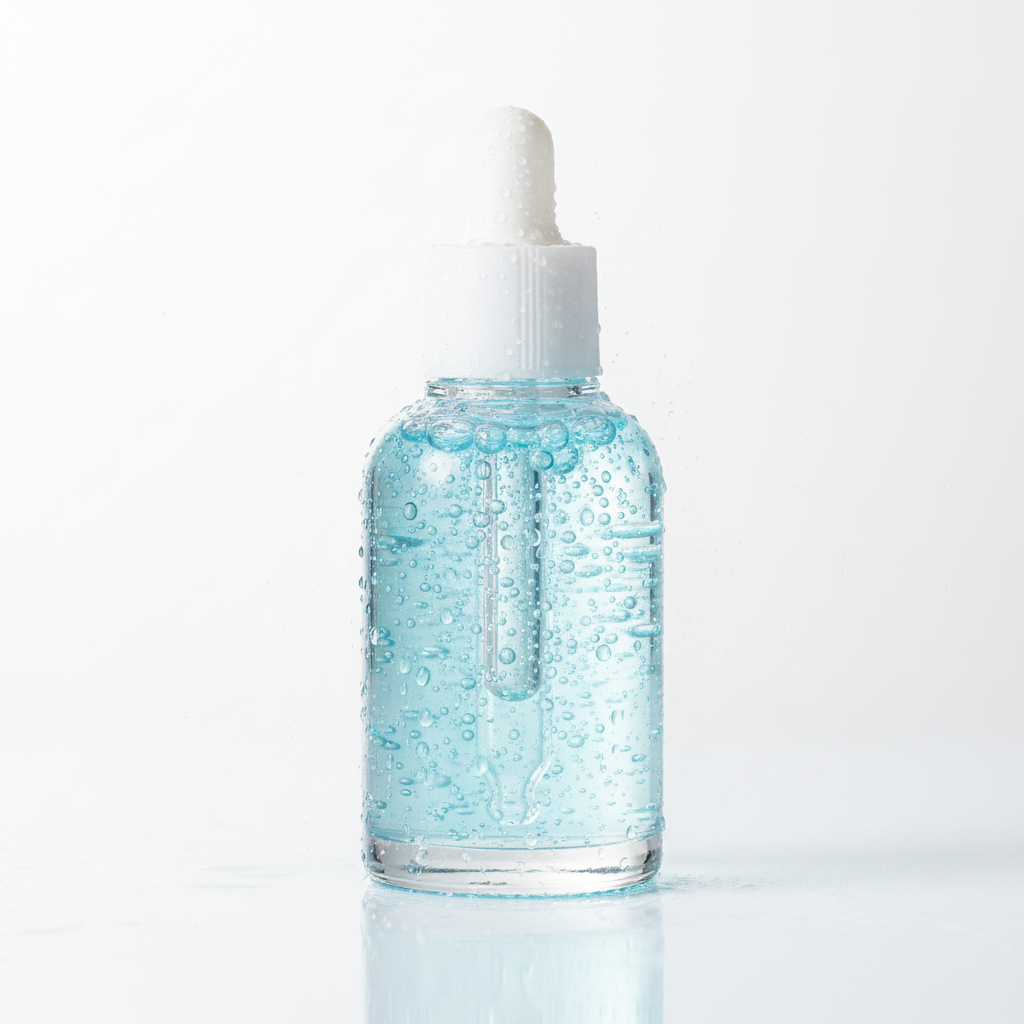
Hyaluronic acid is in everything. But does it live up to the hype? What the science says, and the one mistake almost everyone makes using it.
Retinol for Beginners: Start Here
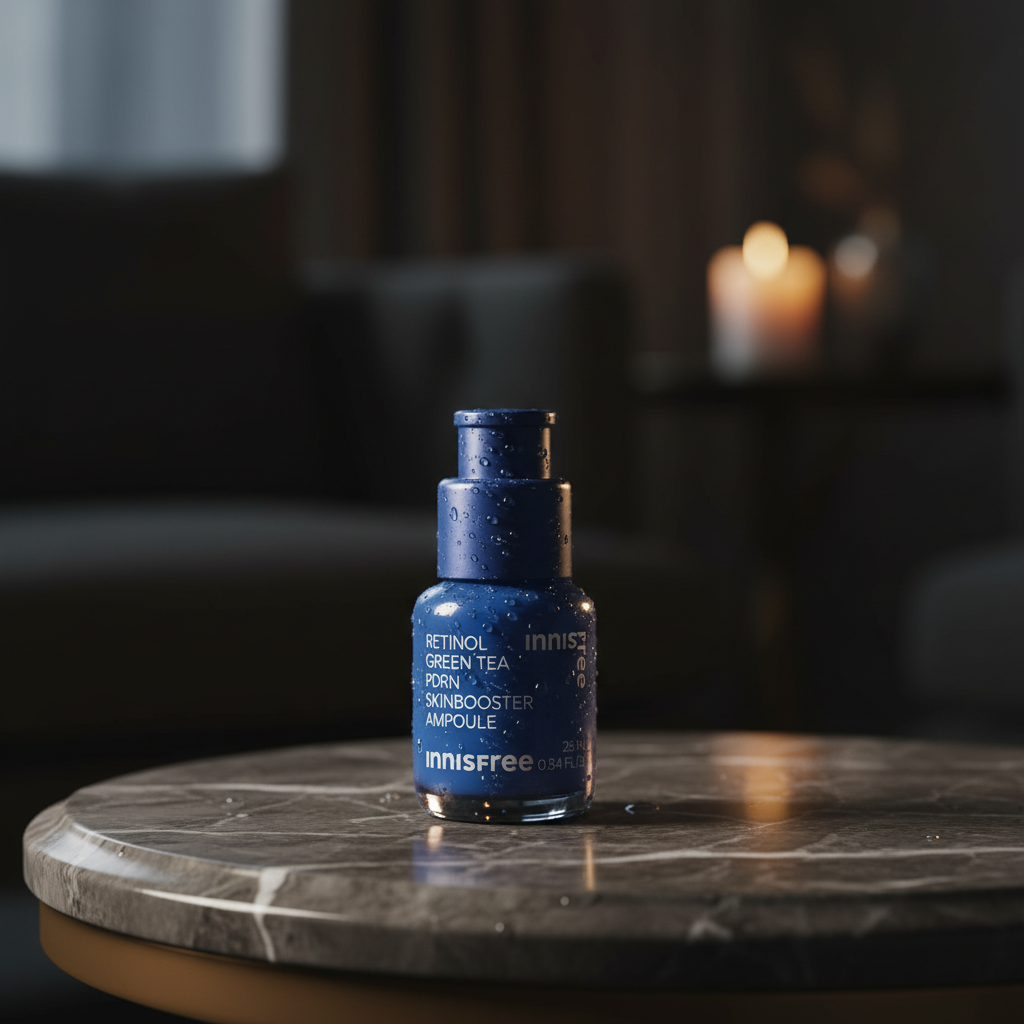
New to retinol? This beginner's guide covers what retinol does, how to introduce it without irritation, and the mistakes to avoid in your first month.
Get the Glow
Weekly skincare breakdowns, ingredient deep-dives, and honest reviews. straight to your inbox.