The Truth About Hyaluronic Acid
Hyaluronic acid is in everything. But does it live up to the hype? What the science says, and the one mistake almost everyone makes using it.
 Glow Coded Editorial
 Hyaluronic acid might be the most hyped ingredient in skincare. It’s in serums, moisturizers, sheet masks, lip balms, body lotions, and probably your breakfast cereal at this point. Brands love to mention it. Beauty editors love to recommend it. And the “1,000 times its weight in water” claim gets repeated so often it’s practically a skincare mantra.
But here’s the thing: while hyaluronic acid is genuinely useful, the way most people use it is wrong. And the way most brands market it leaves out critical context.
We’ve been using (and sometimes misusing) hyaluronic acid for years. This is the honest breakdown.
What Hyaluronic Acid Actually Is
Hyaluronic acid (HA) is a glycosaminoglycan, which is a fancy term for a sugar molecule that occurs naturally in your body. It’s found in your skin, joints, and eyes. In your skin, it lives primarily in the dermis (the deeper layer), where it helps maintain hydration and plumpness.
Your body produces it naturally, but production declines with age. By the time you’re 50, you have roughly half the HA you had at 20. This contributes to dryness, loss of volume, and fine lines.
The HA in your skincare products isn’t quite the same as the HA in your skin, though. And that distinction matters.
The Molecular Weight Problem
Here’s where things get interesting. Hyaluronic acid comes in different molecular weights, and the size of the molecule determines what it can do for your skin.
High Molecular Weight HA
Large molecules that sit on the skin’s surface. They can’t penetrate the epidermis. What they do is form a moisture-retaining film on top of your skin, reducing transepidermal water loss (TEWL). This gives an immediate plumping, smoothing effect that looks great but is temporary.
Low Molecular Weight HA
Smaller molecules that can penetrate deeper into the skin. They deliver hydration to the outer layers of the epidermis, providing more lasting hydration. However, some research (published in the Journal of Drugs in Dermatology) suggests that very low molecular weight HA may actually trigger a mild inflammatory response. This isn’t necessarily bad; it can stimulate the skin’s natural repair mechanisms. But it’s worth knowing.
Multi-Weight HA
The best hyaluronic acid products contain multiple molecular weights. The large molecules hydrate the surface, the small molecules penetrate deeper, and everything in between fills the gaps. If a product just says “hyaluronic acid” without specifying, it’s usually a single weight (often high molecular weight, which is cheapest to produce).
What to look for. Products that specify “multi-weight,” “multi-molecular,” or list several forms: sodium hyaluronate (the salt form, penetrates more easily), hydrolyzed hyaluronic acid (broken into smaller pieces), and hyaluronic acid.
The Mistake Almost Everyone Makes
Here it is: applying hyaluronic acid to dry skin in a dry environment.
Hyaluronic acid is a humectant. It attracts and holds water. But it doesn’t create moisture from nothing. It needs water to draw from. When you apply HA to damp skin, it pulls that surface water into the outer layers of your skin. Perfect.
But when you apply HA to dry skin in a low-humidity environment (think: heated rooms in winter, air-conditioned offices, dry climates), it has no external water to draw from. So it does the only logical thing: it pulls water from the deeper layers of your skin to the surface, where it evaporates. The result? Your skin actually gets drier.
This is why some people say hyaluronic acid “doesn’t work for them” or even makes their skin feel tight. It’s not the ingredient’s fault. It’s the application method.
The Correct Way to Apply HA
- Cleanse your face
- While your skin is still damp (or mist your face with water or a hydrating toner), apply the HA product
- Immediately follow with a moisturizer or occlusive to seal the water in
The moisturizer step is crucial. Without it, the water HA attracted to the surface of your skin will evaporate. You need a barrier layer on top.
In dry climates or winter. Apply HA to damp skin, layer your moisturizer immediately, and consider adding a thin layer of an occlusive like squalane or a sleeping mask at night. This traps everything in.
What HA Can Actually Do (Backed by Science)
Let’s separate the proven benefits from the marketing:
Proven
- Surface hydration. Multiple studies confirm that topical HA improves skin hydration, at least temporarily. A 2014 study in the Journal of Clinical and Aesthetic Dermatology found measurable improvements in skin hydration and elasticity after 8 weeks of use.
- Reduced TEWL. High molecular weight HA forms a barrier that reduces water loss from the skin.
- Improved skin texture. Well-hydrated skin looks smoother. HA doesn’t actively treat texture issues, but the hydration plumps fine dehydration lines.
- Wound healing support. HA plays a role in the skin’s natural wound healing process. Topical application can support healing of minor damage.
Partially True
- “Plumping” effect. Real, but temporary. The plumping you see after applying HA is from water being held at the skin’s surface. It fades as that water evaporates. Consistent, long-term use maintains a more hydrated baseline, but the dramatic before-and-after plumping isn’t permanent.
- Anti-aging. HA doesn’t prevent or reverse aging in the way retinol or vitamin C does. It hydrates, and hydrated skin shows fewer fine lines. But it’s not stimulating collagen or speeding up cell turnover.
Overstated
- “1,000 times its weight in water.” True in a lab setting. Misleading in real-world skincare application. The amount of HA in your serum isn’t holding 1,000 times its weight in water on your face. Marketing loves this stat, but it doesn’t translate to practical performance the way it’s implied.
- Deep skin penetration. Most topical HA stays in the upper layers of the epidermis. It’s not reaching the dermis, where your natural HA lives. Injectable HA (dermal fillers) is a completely different story.
Who Benefits Most from Hyaluronic Acid
Dehydrated skin (any type). HA is the fastest way to add water back to parched skin. Even oily skin can be dehydrated. If your skin feels tight but looks shiny, HA may be exactly what you need.
Aging skin. As natural HA production declines, topical supplementation helps maintain hydration levels. It won’t reverse wrinkles, but it keeps skin looking healthier.
Skin undergoing active treatments. If you’re using retinol, AHAs, or other potentially drying actives, HA provides hydration without interfering with those ingredients.
Sensitive skin. HA is one of the least irritating ingredients in skincare. Almost no one reacts to it. It’s a safe addition to virtually any routine.
Who Might Not Need It
People in humid climates with already-hydrated skin. If you live somewhere humid and your skin feels balanced with a basic moisturizer, adding HA may not provide noticeable extra benefits. You’re getting plenty of environmental moisture already.
People who expect it to replace moisturizer. HA is not a moisturizer. It’s a hydrator. Hydration (water) and moisturizing (oil/barrier) are different functions. You need both.
HA in Different Product Formats
Serums
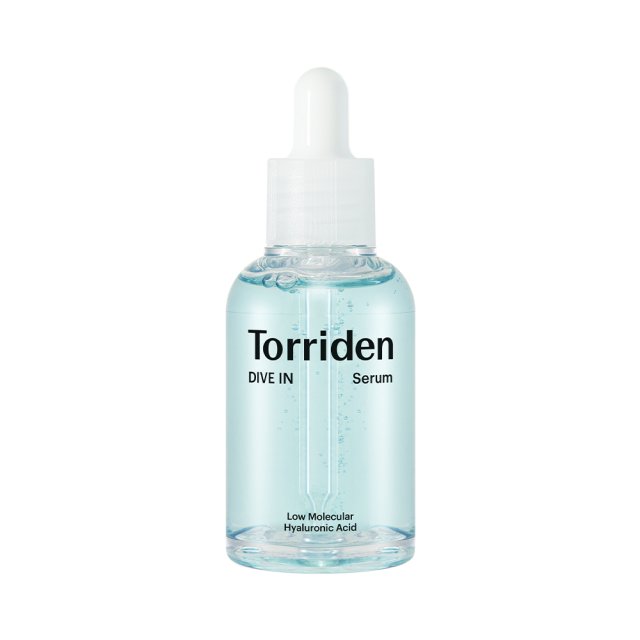
The most concentrated and effective format. A dedicated HA serum gives you control over how much you’re applying and where. Apply to damp skin, follow with moisturizer. One that stood out in our testing is the Anua PDRN Hyaluronic Acid Capsule 100 Serum, which pairs hyaluronic acid with PDRN for a noticeably plumping effect that lasts through the day.
Toners
HA-infused toners are a K-Beauty staple. They’re more diluted than serums but perfect for layering (the “7-skin method” uses a hydrating toner applied in multiple thin layers). Great for people who prefer a lighter product. The Anua 8 Hyaluronic Acid Liposome Skin Booster takes this a step further by using a liposome delivery system that helps the HA absorb more efficiently during layering.
Moisturizers
Many moisturizers include HA alongside occlusives and emollients. Convenient, but the concentration is typically lower than in a dedicated serum. Fine for people who want hydration without adding another step.
Sheet Masks
HA-soaked sheet masks deliver a concentrated burst of hydration. The mask itself acts as an occlusive, trapping the HA against your skin for 15-20 minutes. Great for a weekly hydration boost. Always follow with moisturizer after removing the mask.
Injectable HA (Fillers)
Completely different from topical HA. Dermal fillers inject HA directly into the dermis to add volume. This is a cosmetic procedure, not skincare. We mention it only because people confuse topical and injectable HA results.
Our Honest Take
Hyaluronic acid is a good ingredient. Not a miracle ingredient. It hydrates effectively when used correctly (damp skin, sealed with moisturizer, appropriate climate considerations). It plays well with almost everything else in your routine. And it’s one of the safest, least irritating actives available.
But it’s not going to transform your skin on its own. It’s not anti-aging in a meaningful way. And the way it’s marketed implies capabilities it simply doesn’t have.
Use it as a hydration tool, appreciate it for what it is, and don’t expect it to do the work of retinol, vitamin C, or sunscreen. Those ingredients transform skin. Hyaluronic acid keeps it comfortable along the way.
Keep Reading
Niacinamide vs Vitamin C: Which Do You Need?
Two of skincare's most popular ingredients go head to head. what each one does, who should use which, and whether you can use both.
K-Beauty Ingredients Decoded
A complete guide to the most popular Korean skincare ingredients, from snail mucin to centella asiatica. What each one does, who it's for, and how to use it.
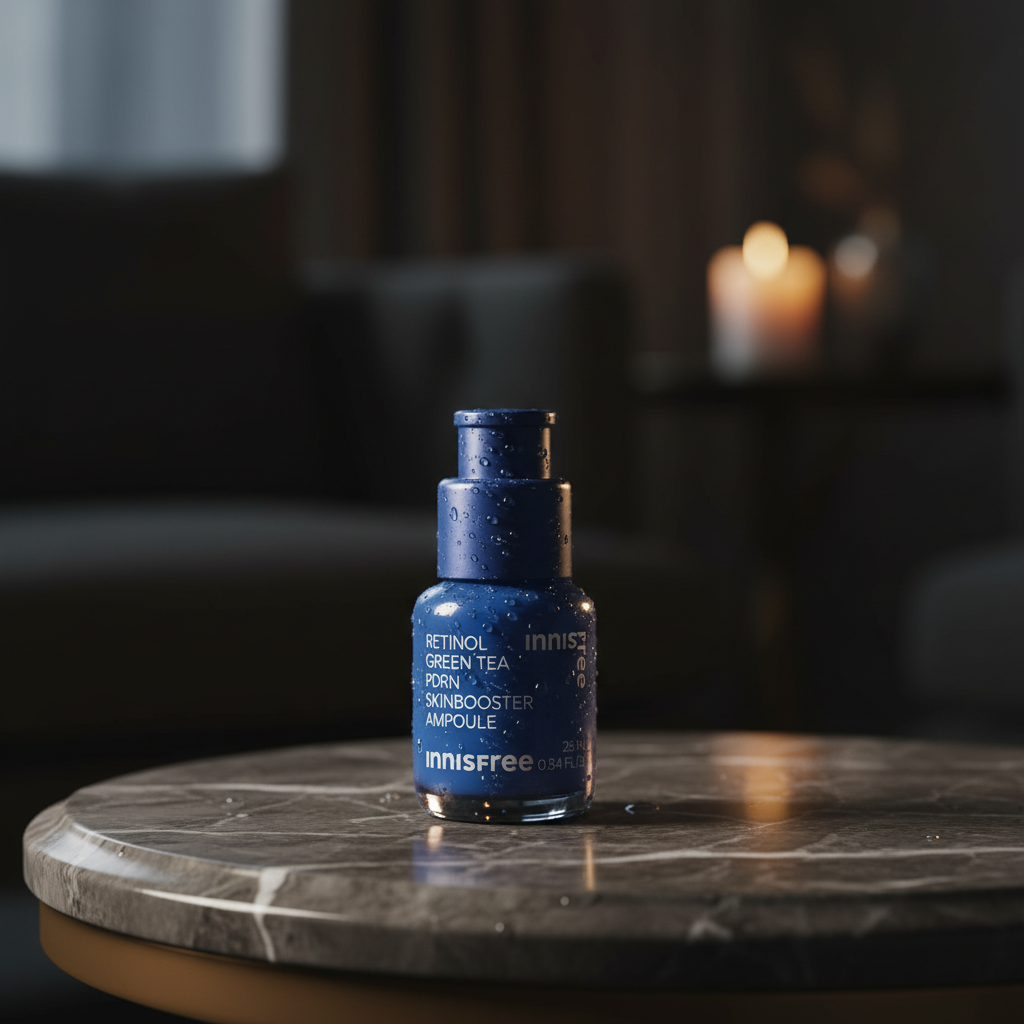
Retinol for Beginners: Start Here
New to retinol? This beginner's guide covers what retinol does, how to introduce it without irritation, and the mistakes to avoid in your first month.
Get the Glow
Weekly skincare breakdowns, ingredient deep-dives, and honest reviews. straight to your inbox.