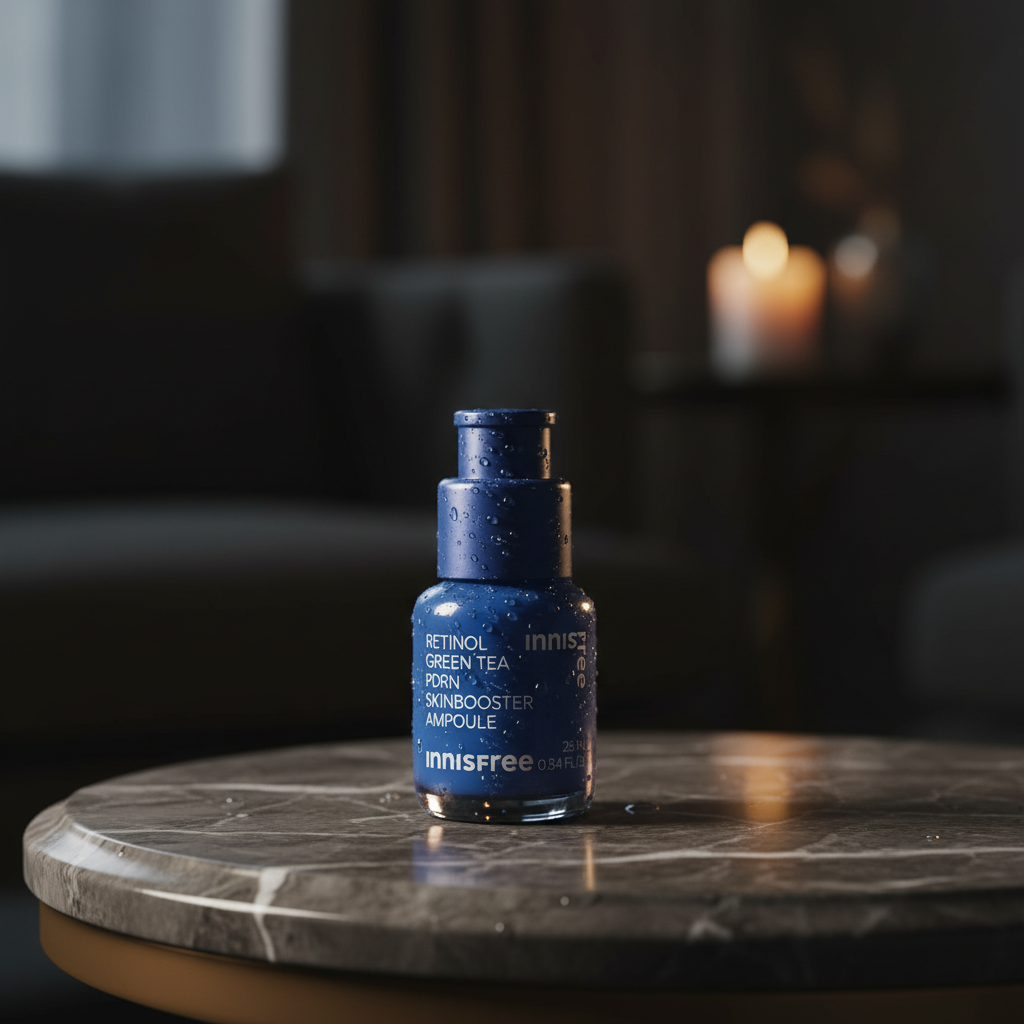
Retinol for Beginners: Start Here
New to retinol? This beginner's guide covers what retinol does, how to introduce it without irritation, and the mistakes to avoid in your first month.
 Glow Coded Editorial
 Retinol has a reputation. People talk about it in hushed, reverent tones, like it’s the holy grail of skincare. And to be fair, it kind of is. Decades of clinical research back it up as one of the most effective topical ingredients for anti-aging, acne, and overall skin texture.
But retinol also has a dark side: the adjustment period. Peeling, redness, dryness, and the infamous “retinol uglies” scare off a lot of people before they ever get to see the results. The thing is, most of those problems are avoidable. They come from starting too strong, too fast, or using it incorrectly.
We’ve been using retinol for over four years now, and we’ve guided dozens of friends through their first month. This is the advice we give every single one of them.
What Is Retinol, Exactly?
Retinol is a derivative of vitamin A. When you apply it to your skin, your body converts it into retinoic acid, which is the active form that does the actual work. This conversion process is why retinol is gentler than prescription retinoids (like tretinoin), which deliver retinoic acid directly.
Think of it this way: prescription retinoids are the express train. Retinol is the local, making all the stops. Same destination, but a smoother ride.
The Retinoid Family
Not all vitamin A derivatives are the same. Here’s the hierarchy from gentlest to strongest:
- Retinyl palmitate. The gentlest form. Found in many moisturizers. Requires multiple conversion steps, so it’s the least potent. Good for absolute beginners or very sensitive skin.
- Retinol. The sweet spot for most people. Requires one conversion step to become active. Available over the counter in concentrations up to about 1%.
- Retinaldehyde (retinal). One step closer to active retinoic acid. Faster results than retinol, slightly more irritation potential. Growing in popularity.
- Adapalene (Differin). A synthetic retinoid available over the counter. Originally designed for acne. Surprisingly well-tolerated.
- Tretinoin (Retin-A). Prescription only. The gold standard for anti-aging. Powerful results, but the adjustment period is real.
- Tazarotene. The strongest prescription retinoid. Typically reserved for stubborn acne or psoriasis.
For beginners, retinol or retinaldehyde is where you should start. Period.
What Retinol Actually Does
The benefits are extensive and well-documented:
Speeds Up Cell Turnover
Your skin naturally sheds dead cells and replaces them with new ones. As you age, this process slows down. Retinol accelerates it back to a more youthful pace, which means fresher, brighter skin at the surface.
Stimulates Collagen Production
Collagen is the protein that keeps skin firm and plump. After your mid-twenties, you lose about 1% per year. Retinol stimulates fibroblasts (the cells that produce collagen) to ramp up production. This is why consistent retinol users often see improvements in fine lines and skin firmness over months.
Clears and Prevents Acne
By increasing cell turnover, retinol helps prevent dead skin cells from clogging pores. It also regulates oil production and has anti-inflammatory properties. Dermatologists have been prescribing retinoids for acne since the 1970s.
Fades Hyperpigmentation
Dark spots, sun damage, and post-acne marks all respond well to retinol. The accelerated cell turnover brings fresh, evenly pigmented skin to the surface faster.
Improves Overall Texture
Rough patches, uneven tone, enlarged pore appearance. Retinol addresses all of these over time. It’s the closest thing to a “reset button” for your skin’s surface.
How to Start Without Destroying Your Face
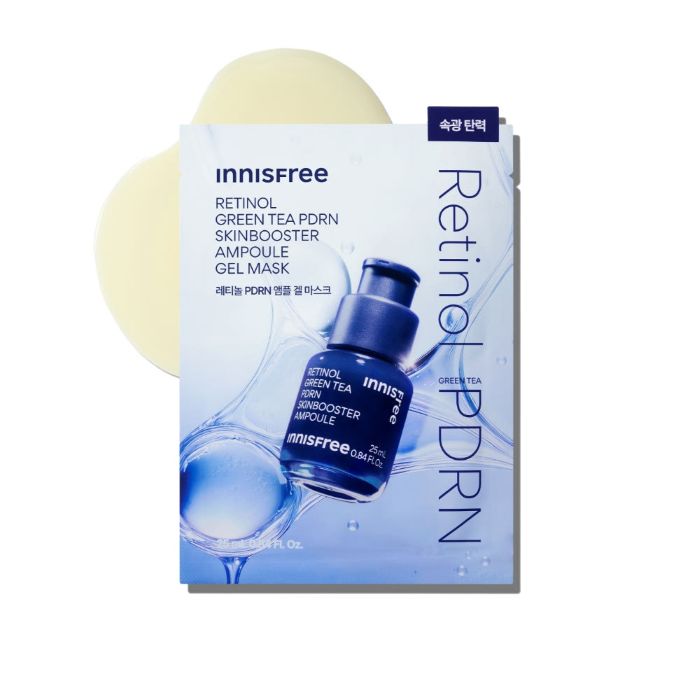
This is where most beginners go wrong. They buy a retinol product, slather it on every night, and wonder why their face is flaking off by day three. Here’s the method we recommend:
The Sandwich Method (Weeks 1-2)
- Cleanse your face
- Apply your regular moisturizer (first slice of bread)
- Wait 5 minutes for it to absorb
- Apply a pea-sized amount of retinol over the moisturizer
- Wait another 5 minutes
- Apply a second layer of moisturizer (second slice of bread)
The moisturizer layers buffer the retinol, slowing its penetration and reducing irritation. It does not diminish the long-term effectiveness.
Frequency Schedule
- Weeks 1-2. Every third night. So Monday, Thursday, Sunday. That’s it.
- Weeks 3-4. Every other night.
- Weeks 5-6. Two nights on, one night off.
- Week 7+. Nightly, if your skin tolerates it.
If at any point you experience more than mild dryness, drop back to the previous frequency. There is no prize for going fast.
The Right Amount
A pea-sized amount for your entire face. Seriously. A little goes a very long way. More product does not mean better results; it means more irritation.
The Adjustment Period
Let’s talk about the “retinol uglies” honestly. During the first 2-6 weeks, you might experience:
- Dryness and flaking. The most common side effect. Your cell turnover is accelerating, and dead skin is shedding faster than usual.
- Mild redness. Normal in the first few weeks. Should be mild and temporary, not angry or painful.
- Increased sensitivity. Your skin may react more to products that never bothered you before. This passes.
- Initial breakouts (purging). Retinol can bring existing clogged pores to the surface faster. This is different from a reaction. purging clears up within 4-6 weeks, while a true breakout gets progressively worse.
Most people clear the adjustment period within a month. By week 8, the benefits start becoming visible: smoother texture, more even tone, a certain “glow” that’s hard to describe until you see it.
Rules for Retinol Users
Sunscreen Is Mandatory
This is non-negotiable. Retinol makes your skin more photosensitive. SPF 50 every morning, no exceptions. If you’re not willing to wear sunscreen daily, don’t use retinol. You’ll cause more damage than you prevent.
Never Mix With Certain Actives
Avoid using retinol on the same night as:
- Vitamin C. Both are potent actives, and together they can cause irritation. Use vitamin C in the morning, retinol at night.
- AHAs/BHAs. Glycolic acid, salicylic acid, lactic acid. all too much when combined with retinol on the same night.
- Benzoyl peroxide. Can deactivate retinol. Use them on alternate nights if you need both.
Apply to Dry Skin
Damp skin absorbs retinol faster, which increases irritation. After cleansing, wait a few minutes for your face to dry completely before applying.
Be Generous With Moisturizer
Your skin will need extra hydration during the adjustment period. Look for moisturizers with ceramides, hyaluronic acid, or squalane. These support your moisture barrier while retinol does its work.
For the delicate eye area specifically, the AESTURA Regederm 365 Retinoid Eye Serum is formulated with a gentler retinoid derivative designed for that thin under-eye skin, so you can address fine lines around the eyes without the irritation risk of applying your regular retinol there.
Skip Sensitive Areas Initially
Avoid the immediate eye area, corners of the nose, and corners of the mouth. These are thin-skinned areas that get irritated fastest. Once your skin is fully adjusted (8+ weeks), you can carefully extend to these areas.
When to Expect Results
Set realistic expectations:
- Week 2-4. Skin may look worse before it looks better (adjustment period).
- Week 4-8. Skin starts to feel smoother. You may notice fewer breakouts and a subtle glow.
- Month 3-4. Visible improvements in texture, tone, and fine lines. This is when other people start commenting.
- Month 6+. Significant results in firmness, hyperpigmentation, and overall skin quality.
- Year 1+. The full anti-aging benefits are cumulative. Long-term retinol users consistently have better skin texture and fewer wrinkles than non-users of the same age.
Retinol is a marathon, not a sprint. The people who see the best results are the ones who use it consistently for years, not the ones who used the highest percentage for two weeks.
Choosing Your First Retinol Product
Look for:
- Concentration between 0.025% and 0.3%. This is the beginner range. Higher is not better when you’re starting out.
- Encapsulated or time-released formulas. These release retinol gradually, reducing irritation while maintaining effectiveness.
- Supporting ingredients. Look for formulas that include soothing or hydrating ingredients like niacinamide, ceramides, squalane, or hyaluronic acid.
If you want a beginner-friendly option, the Anua Nano Retinol 0.3% + Niacin Renewing Serum combines a low-concentration encapsulated retinol with niacinamide. We found it caused minimal irritation even during the first week of use.
- Airtight, opaque packaging. Retinol degrades with light and air exposure. Pump bottles or tubes are ideal. Jars are not.
Avoid products that list retinol alongside a dozen other actives. Your first retinol should be simple and focused.
Common Mistakes
Starting with high concentrations. That 1% retinol serum will still be there in three months. Start low.
Using it every night from day one. Your skin needs time to build tolerance. Respect the process.
Giving up too soon. The adjustment period is temporary. The results are long-term. Almost everyone who pushes through the first month is glad they did.
Skipping moisturizer. Some people think retinol peeling means they should stop moisturizing. The opposite is true. Moisturize more, not less.
Neglecting sunscreen. We said it before and we’ll say it again. SPF 50, every morning. This is the one rule you cannot break.
The Bottom Line
Retinol is one of the most researched, most proven ingredients in skincare. It delivers on its promises. But it requires patience, a careful introduction period, and a commitment to sun protection.
Start low, go slow, moisturize generously, and wear your sunscreen. That’s the formula. In three months, you’ll understand what the hype is about.
Keep Reading
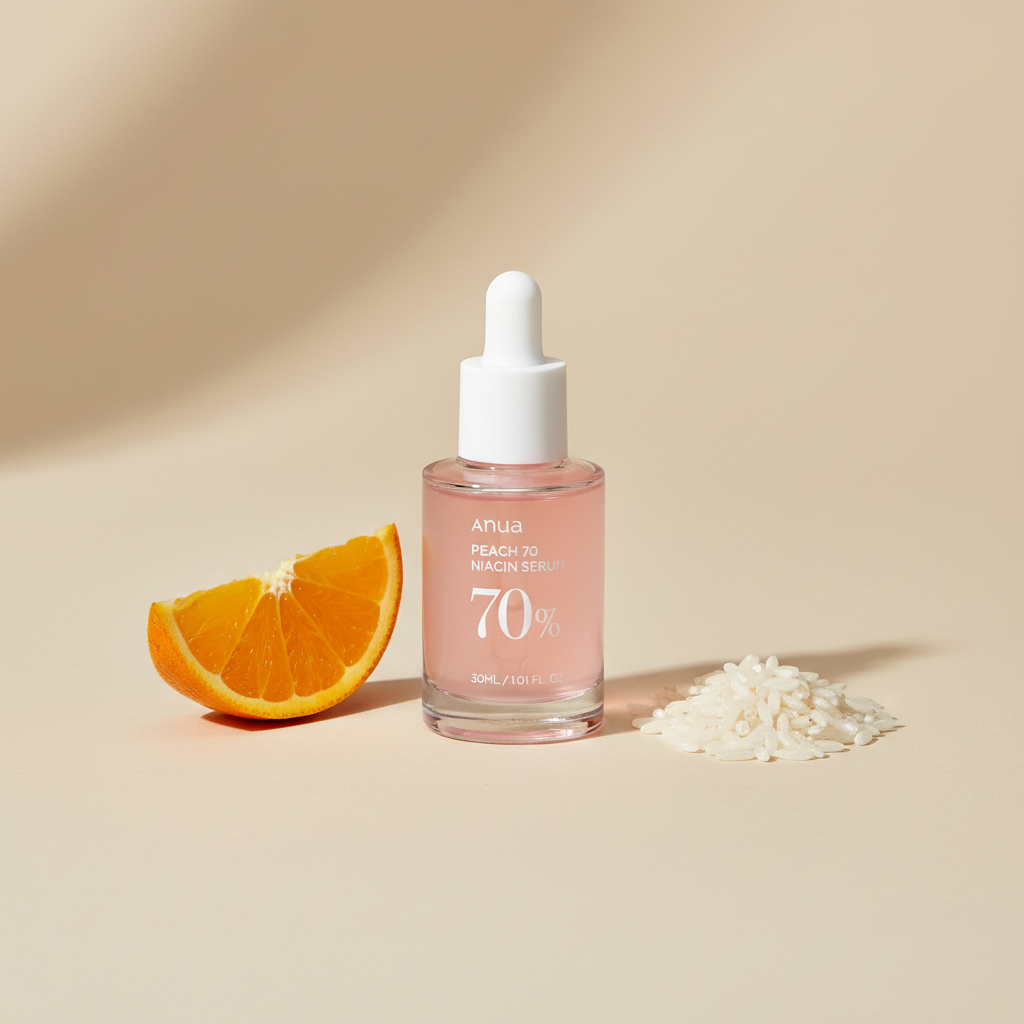
Niacinamide vs Vitamin C: Which Do You Need?
Two of skincare's most popular ingredients go head to head. what each one does, who should use which, and whether you can use both.
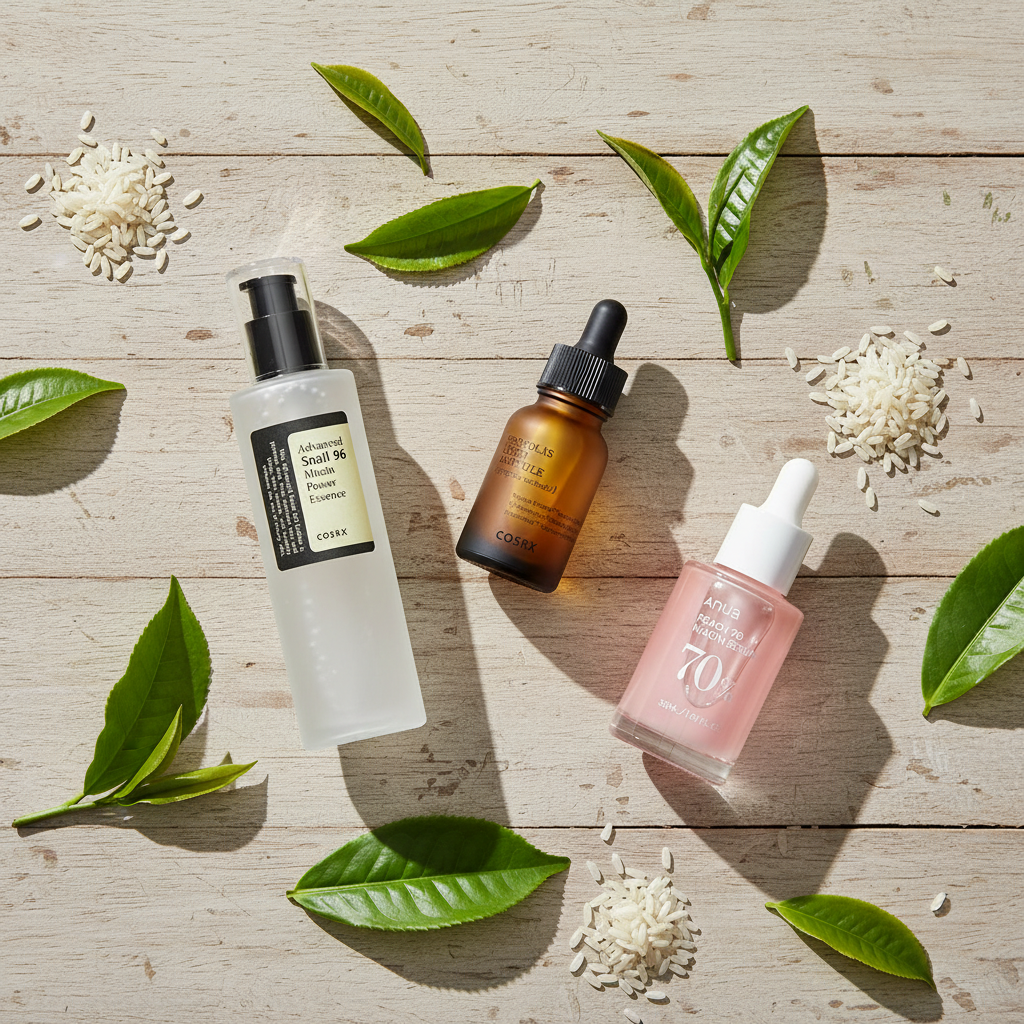
K-Beauty Ingredients Decoded
A complete guide to the most popular Korean skincare ingredients, from snail mucin to centella asiatica. What each one does, who it's for, and how to use it.
The Truth About Hyaluronic Acid
Hyaluronic acid is in everything. But does it live up to the hype? What the science says, and the one mistake almost everyone makes using it.
Get the Glow
Weekly skincare breakdowns, ingredient deep-dives, and honest reviews. straight to your inbox.