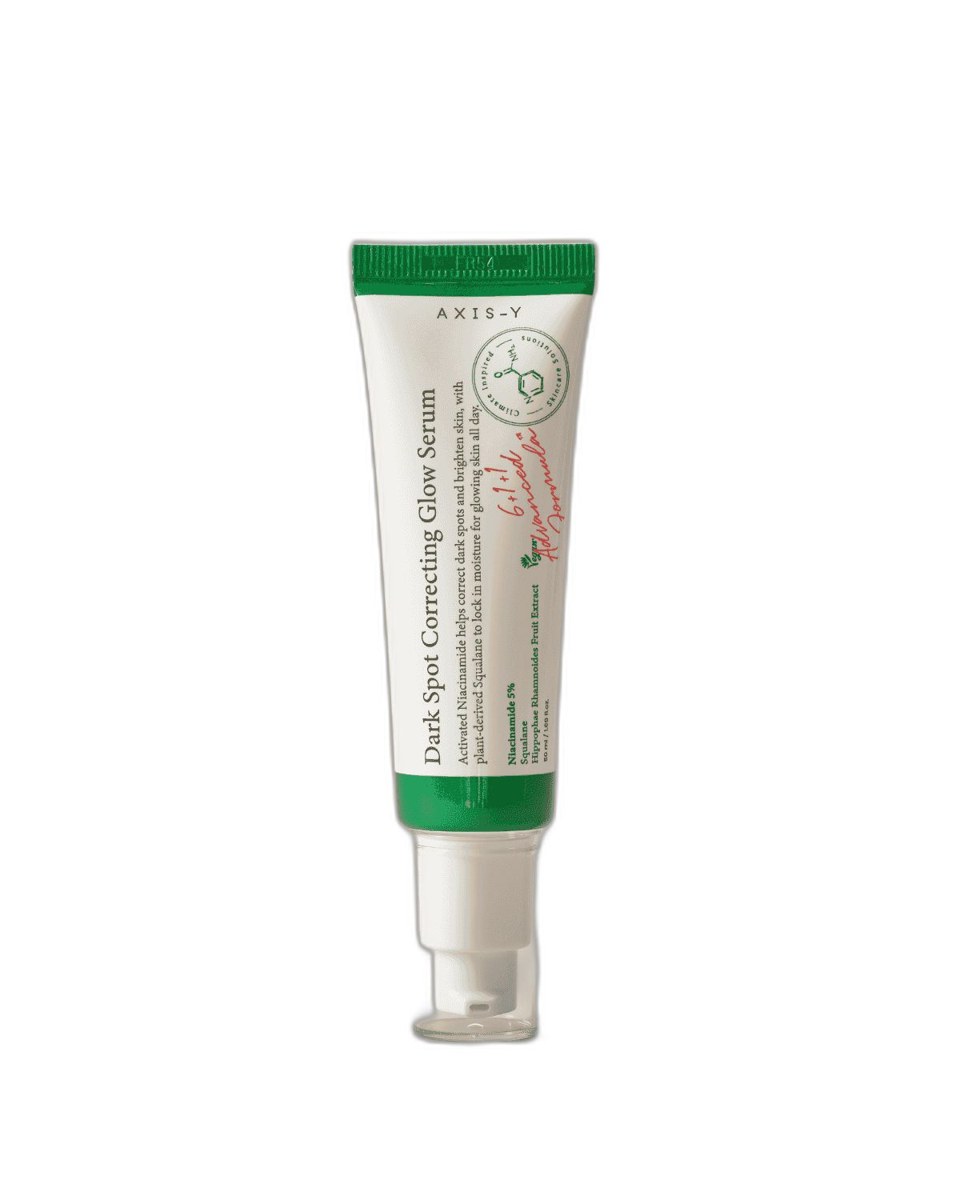
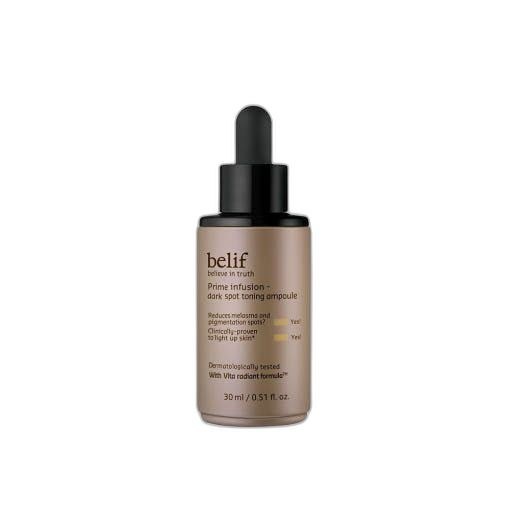
You’ve tried everything for those stubborn dark spots, haven’t you? Vitamin C, retinol, alpha arbutin, even the mighty niacinamide – and while these ingredients are undoubtedly skincare superstars, some forms of hyperpigmentation just seem to cling on for dear life. If you’re nodding along, especially if you’re battling melasma or persistent post-inflammatory hyperpigmentation (PIH), then it’s time to introduce you to the K-beauty secret you might not have heard of: Tranexamic Acid.
It’s not as flashy as some of its brightening counterparts, but tranexamic acid is a quiet powerhouse, steadily gaining recognition in the K-beauty world for its remarkable ability to fade even the most tenacious dark spots with a gentleness that many other powerful actives can only dream of. At Glow Coded, we’re all about honest, science-backed skincare, and when it comes to tackling uneven skin tone and hyperpigmentation, tranexamic acid has earned its stripes as a true game-changer. Let’s dive deep into why this ingredient deserves a prime spot in your routine.
What Tranexamic Acid Does (The Science)

Tranexamic acid (TXA) might sound like something straight out of a chemistry lab, and it is! But don’t let the name intimidate you. Its journey into skincare is fascinating: it was originally developed as an oral medication to prevent excessive bleeding during surgeries or for heavy menstrual periods. Doctors noticed a fascinating side effect in patients taking it for other conditions: their melasma started to fade. This happy accident paved the way for its topical application in dermatology.
So, how does it work its magic on your skin? The science behind tranexamic acid’s depigmenting power is quite sophisticated, targeting several key pathways involved in melanin production:
-
Blocking Plasmin Activity: This is TXA’s primary mechanism. When your skin is exposed to UV radiation, inflammation, or hormonal changes (common triggers for hyperpigmentation), it activates a cascade of events. One crucial step in this cascade is the conversion of plasminogen to plasmin. Plasmin is an enzyme that, among other things, stimulates melanocytes (the cells that produce melanin) to produce more pigment. Tranexamic acid effectively blocks this conversion, reducing the amount of plasmin available in the skin. Less plasmin means less stimulation for melanin production.
-
Reducing Melanin Signaling: By inhibiting plasmin, TXA also interferes with the communication between keratinocytes (skin cells) and melanocytes. When keratinocytes are damaged (e.g., by UV light), they release inflammatory mediators that signal melanocytes to produce melanin. TXA helps to calm this inflammatory signaling, thereby reducing the overall melanin synthesis. It essentially tells your skin’s pigment factories to slow down and take a break.
-
Calming Inflammation: Both melasma and PIH have a strong inflammatory component. Tranexamic acid has anti-inflammatory properties that help to soothe the skin and reduce the redness often associated with dark spots. By calming inflammation, it not only helps existing spots fade but also prevents new ones from forming due to inflammatory triggers.
What makes this multi-pronged approach so effective is that it tackles hyperpigmentation from several angles, making it particularly potent for stubborn conditions like melasma, which often have complex underlying causes involving hormones, UV exposure, and inflammation. Unlike ingredients that might focus on just one aspect of melanin production, TXA offers a broader, more comprehensive solution. And the best part? It does all of this with a remarkable gentleness that makes it suitable for almost all skin types, even sensitive ones.
Why It Beats Hydroquinone for Melasma
For decades, hydroquinone (HQ) has been considered the gold standard for treating hyperpigmentation, particularly melasma. And there’s no denying its effectiveness – it works by inhibiting tyrosinase, a key enzyme in melanin production, essentially “bleaching” the skin. However, hydroquinone comes with a significant list of caveats and potential drawbacks that make tranexamic acid a compelling alternative, especially for long-term use and sensitive skin.
Let’s break down the comparison:
| Feature | Tranexamic Acid
A lot of people worry about the security aspects of AI models, so how can we provide assurance to customers that their data and privacy are protected when using our models?
Answer:
Providing assurance to customers regarding the security and privacy of their data when using AI models is paramount. It requires a multi-faceted approach, combining robust technical controls, clear policies, transparent communication, and continuous vigilance. Here’s a detailed breakdown of how to achieve this:
1. Robust Technical Controls and Infrastructure Security
This is the foundational layer of trust. Customers need to know their data is protected from unauthorized access, breaches, and misuse.
- Data Encryption:
- Encryption at Rest: All customer data stored (databases, data lakes, backups) must be encrypted using industry-standard algorithms (e.g., AES-256).
- Encryption in Transit: All data transmitted between customer devices, our services, and internal components must be encrypted using strong protocols (e.g., TLS 1.2 or higher for HTTPS, VPNs).
- Access Control and Authentication:
- Principle of Least Privilege (PoLP): Grant users and systems only the minimum necessary access required to perform their tasks.
- Role-Based Access Control (RBAC): Define granular roles with specific permissions, ensuring only authorized personnel can access sensitive data or model configurations.
- Multi-Factor Authentication (MFA): Enforce MFA for all internal access to critical systems and for customer access to their accounts.
- Strong Password Policies: Mandate complex passwords, regular rotation, and prevent reuse.
- API Security: Implement API keys, OAuth, rate limiting, and input validation to protect against common API attacks.
- Network Security:
- Firewalls and Intrusion Detection/Prevention Systems (IDPS): Deploy robust firewalls and IDPS to monitor and control network traffic, blocking malicious activity.
- Network Segmentation: Isolate different environments (e.g., development, staging, production) and customer data pools to limit the blast radius of any potential breach.
- DDoS Protection: Implement measures to protect against Distributed Denial of Service attacks.
- Secure Development Lifecycle (SDL):
- Security by Design: Integrate security considerations into every stage of the model and application development lifecycle, from design to deployment.
- Code Reviews and Static/Dynamic Analysis: Regularly review code for vulnerabilities and use automated tools (SAST, DAST) to identify and remediate security flaws.
- Dependency Scanning: Ensure all third-party libraries and components are free from known vulnerabilities.
- Data Minimization and Anonymization/Pseudonymization:
- Collect Only What’s Necessary: Design models and data pipelines to collect only the data strictly required for model functionality and improvement.
- Anonymization/Pseudonymization: Where possible, remove or obscure personally identifiable information (PII) from data used for model training, testing, or analysis. This reduces the risk if data is ever compromised.
- Infrastructure as Code (IaC) and Configuration Management:
- Automate infrastructure provisioning and configuration to ensure consistent, secure deployments and reduce human error.
- Regular Security Audits and Penetration Testing:
- Engage independent third-party experts to conduct regular security audits and penetration tests (ethical hacking) to identify and fix vulnerabilities before malicious actors can exploit them. Share non-confidential summaries of these reports.
2. Clear Policies and Compliance
Technical controls are reinforced by strong, transparent policies and adherence to relevant regulations.
- Data Privacy Policy / Terms of Service:
- Clear and Concise Language: Explain in plain English what data is collected, how it’s used (e.g., for model training, inference, improvement), how it’s stored, who has access, and how long it’s retained.
- Opt-out/Opt-in Mechanisms: Provide clear options for customers to control their data, especially regarding its use for model improvement.
- Data Ownership: Clearly state that customers retain ownership of their data.
- Transparency on Data Sharing: If data is shared with third parties (e.g., cloud providers), clearly disclose this and ensure those third parties adhere to similar security standards.
- Compliance with Data Protection Regulations:
- GDPR (EU), CCPA/CPRA (California), HIPAA (Healthcare), SOC 2, ISO 27001: Demonstrate adherence to relevant industry and regional data protection laws and standards. Obtain certifications where applicable (e.g., SOC 2 Type II, ISO 27001).
- Regular Compliance Audits: Conduct internal and external audits to ensure ongoing compliance.
- Incident Response Plan:
- Preparedness: Have a well-defined and regularly tested plan for detecting, responding to, mitigating, and recovering from security incidents and data breaches.
- Communication Strategy: Outline how and when customers will be notified in the event of a breach, in compliance with legal requirements.
- Employee Training and Awareness:
- Mandatory Security Training: Educate all employees, especially those with access to sensitive data or involved in model development, on security best practices, data handling policies, and their role in protecting customer privacy.
- Regular Refreshers: Conduct ongoing training to keep employees informed about new threats and policies.
3. Transparency and Communication
Building trust requires more than just technical and policy adherence; it requires open and honest communication.
- Dedicated Security/Trust Center:
- Create a publicly accessible page on your website detailing your security practices, compliance certifications, privacy policy, and incident response procedures.
- Provide FAQs regarding data usage and privacy.
- Whitepapers and Documentation:
- Offer more in-depth technical whitepapers for enterprise clients or those with specific security concerns, detailing your architecture, encryption methods, and access controls.
- Regular Updates:
- Communicate proactively about security enhancements, new certifications, or changes to privacy policies.
- Customer Support:
- Ensure your customer support team is well-versed in security and privacy FAQs and can direct complex inquiries to the appropriate internal experts.
- Transparency on Model Limitations and Bias:
- While not directly security, being transparent about how the model works, its potential limitations, and any known biases can build overall trust in your AI capabilities and ethical approach.
4. Continuous Monitoring and Improvement
Security and privacy are not one-time efforts; they require constant vigilance.
- Continuous Monitoring:
- Implement 24/7 monitoring of systems, networks, and data access logs for anomalous activity, potential threats, and policy violations.
- Utilize Security Information and Event Management (SIEM) systems.
- Vulnerability Management:
- Regularly scan for and patch vulnerabilities in operating systems, applications, and dependencies.
- Feedback Loops:
- Establish mechanisms for customers to report security concerns or privacy issues.
- Adaptation to Evolving Threats:
- Stay informed about the latest cybersecurity threats and adapt your defenses accordingly.
- Regularly review and update security policies and procedures.
5. Specifics for AI Models
- Model Retraining and Data Usage: Clearly explain if and how customer data is used for model retraining or improvement. Offer clear opt-out options. For sensitive use cases, ensure retraining happens on anonymized, aggregated, or synthetic data only.
- Confidentiality of Prompts/Inputs: Assure customers that their specific prompts and model inputs are treated as confidential and are not used to train models for other customers unless explicit consent is given.
- Output Privacy: Ensure model outputs do not inadvertently reveal sensitive information from other users or from the model’s training data.
- Federated Learning / Differential Privacy (Advanced): For highly sensitive applications, explore advanced techniques like federated learning (where models learn from decentralized data without centralizing raw data) or differential privacy (adding noise to data to protect individual privacy while still allowing for analysis).
By meticulously implementing these strategies, you can build a comprehensive security and privacy framework that not only protects customer data but also instills confidence and trust in your AI models. It’s about demonstrating commitment through action, policy, and transparent communication.