If you’ve spent more than five minutes researching skincare, you’ve undoubtedly encountered two names that dominate countless “must-have” lists and spark endless debates: Niacinamide and Vitamin C. Both are hailed as powerhouse ingredients, celebrated for their transformative effects on skin health and appearance. They’re everywhere—in serums, moisturizers, toners, and about a thousand “K-Beauty ingredients decoded” listicles.
This widespread popularity, however, often leads to confusion. Which one is right for your skin? Can you use niacinamide and vitamin c together, or will they cancel each other out? Do you even need both? These are some of the most common questions that plague skincare enthusiasts, creating a bottleneck of uncertainty in the quest for radiant, healthy skin.
The truth is, both niacinamide and vitamin C are excellent, scientifically-backed ingredients. But they do different things, work through distinct mechanisms, and cater to different primary concerns. Understanding these fundamental differences is key to unlocking their full potential and deciding which one (or both!) belongs in your carefully curated routine. This definitive guide will cut through the noise, debunk myths, and provide you with a clear roadmap to incorporating these skincare superstars effectively.
Quick Verdict: Niacinamide vs. Vitamin C (TL;DR)
For those eager for a concise overview, here’s a quick snapshot of what each ingredient brings to the table:
| Feature | Niacinamide (Vitamin B3) | Vitamin C (L-Ascorbic Acid & Derivatives) |
|---|---|---|
| Primary Focus | Barrier repair, oil control, anti-inflammation, pores | Antioxidant protection, brightening, collagen synthesis, dark spots |
| Best For | Oily, acne-prone, sensitive, red, barrier-compromised skin | Dull, aging, sun-damaged, hyperpigmented skin |
| Key Benefits | Reduces redness, minimizes pore appearance, strengthens barrier, regulates sebum, evens tone | Brightens complexion, fights free radicals, boosts collagen, fades dark spots |
| Irritation Risk | Very low, generally soothing | Moderate (especially L-Ascorbic Acid at high concentrations) |
| Stability | Highly stable | Prone to degradation by light, air, heat |
| When to Use | AM or PM | AM (for antioxidant synergy with sunscreen) or PM |
| Skin Type Fit | All, especially oily, combination, sensitive | All, especially normal, dry, mature, dull |
| Compatibility | Highly compatible with most actives | Generally compatible, but layering considerations with some actives (e.g., strong acids) |
What Niacinamide Does
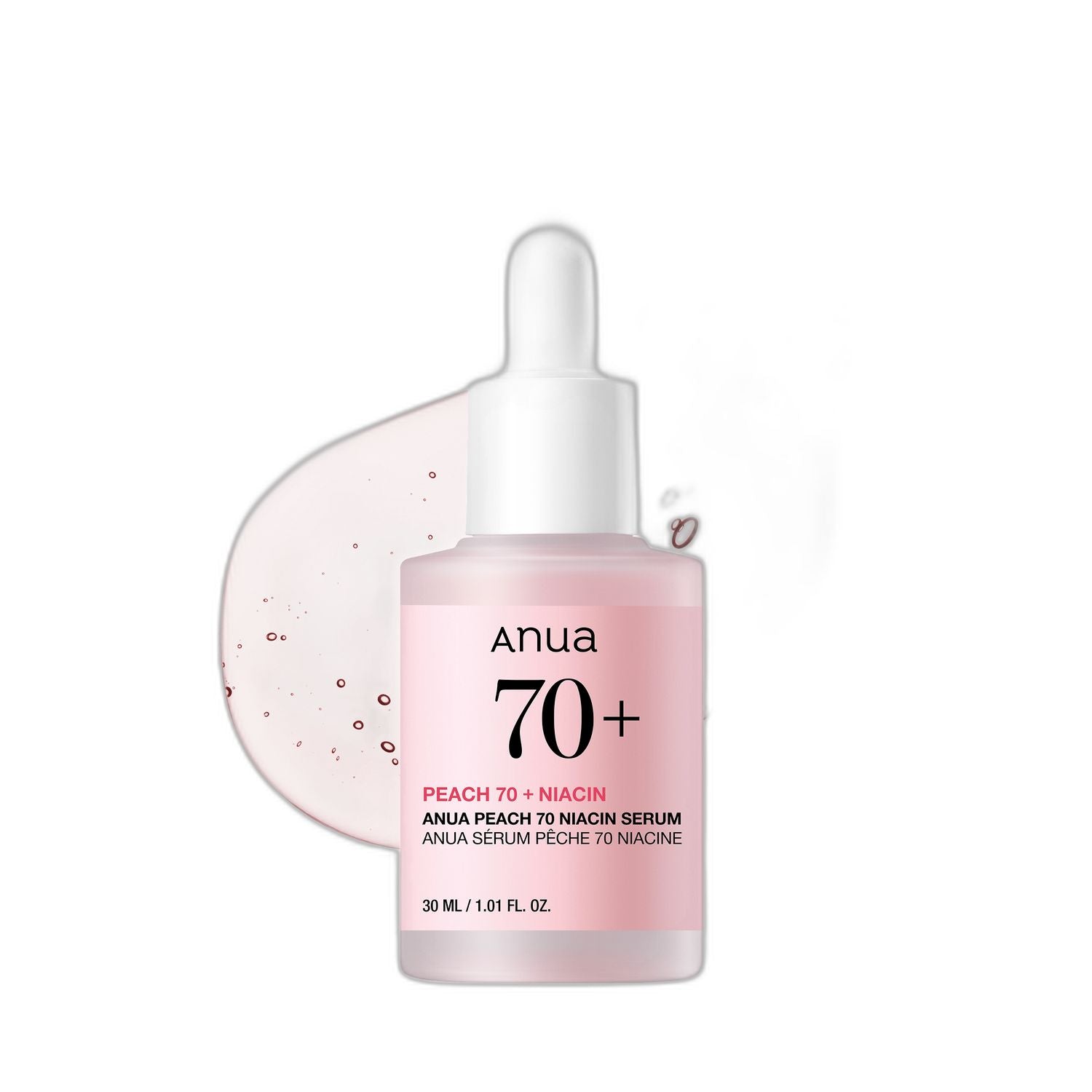
Niacinamide, a form of vitamin B3 (nicotinamide), is a water-soluble vitamin essential for various cellular functions, including energy metabolism and DNA repair. In skincare, it’s celebrated for its remarkable stability, versatility, and exceptional tolerability, making it a true workhorse ingredient suitable for almost every skin type and concern. It doesn’t have a dramatic “wow” factor overnight, but its cumulative benefits build healthier, more resilient skin over time.
The Science Behind Its Benefits
Niacinamide primarily functions as a precursor to two important coenzymes, nicotinamide adenine dinucleotide (NAD+) and nicotinamide adenine dinucleotide phosphate (NADP+), which are vital for over 400 biochemical reactions in the body, including those that occur in the skin. This fundamental role in cellular processes underpins its wide array of skin benefits:
- Minimizes Pore Appearance: While nothing can physically shrink pores, niacinamide significantly improves their appearance. It achieves this by regulating sebum (oil) production. Studies show it can reduce the amount of sebum excreted by the sebaceous glands, leading to less oil accumulation and congestion within the pores. When pores are less clogged and inflamed, they appear smaller and less noticeable. This regulation helps normalize skin function without causing excessive dryness.
- Strengthens the Skin Barrier: One of niacinamide’s most critical functions is its ability to bolster the skin’s natural protective barrier. It stimulates the synthesis of ceramides, free fatty acids, and cholesterol—the key lipids that form the “mortar” between skin cells (corneocytes) in the stratum corneum. A robust skin barrier is crucial for preventing transepidermal water loss (TEWL), keeping moisture locked in, and protecting the skin from environmental aggressors, irritants, and pathogens. By enhancing barrier function, niacinamide makes skin more resilient, less prone to sensitivity, and better hydrated.
- Reduces Redness and Blotchiness: Niacinamide possesses potent anti-inflammatory properties. It can calm irritated skin and reduce the appearance of redness associated with various conditions, including acne, rosacea, and general sensitivity. It does this by inhibiting inflammatory mediators and reducing the skin’s immune response to irritants. This makes it an excellent choice for reactive skin types that struggle with chronic redness or inflammation.
- Evens Skin Tone and Reduces Hyperpigmentation: Niacinamide helps to fade existing dark spots, post-inflammatory hyperpigmentation (PIH), and general unevenness in skin tone. Its mechanism of action here is unique: it inhibits the transfer of melanosomes (pigment packets) from melanocytes (pigment-producing cells) to keratinocytes (surface skin cells). By blocking this transfer, it prevents excess pigment from reaching the skin’s surface, leading to a gradual reduction in the visibility of dark spots and a more uniform complexion. It’s a gentle yet effective approach to brightening.
- Controls Oil Production: As mentioned regarding pore appearance, niacinamide directly impacts sebum production. It helps to normalize the activity of the sebaceous glands, reducing excessive oiliness without stripping the skin. This makes it invaluable for oily and combination skin types, helping to prevent shine and reduce the likelihood of breakouts caused by clogged pores.
- Antioxidant Properties: While not its primary claim to fame like Vitamin C, niacinamide also exhibits antioxidant capabilities. It helps protect skin cells from oxidative stress caused by free radicals generated by UV radiation and pollution, contributing to overall skin health and defense against environmental damage.
Who It’s Best For
- Oily and Combination Skin: The oil-regulating benefits are genuinely effective, helping to reduce shine and prevent congestion.
- Acne-Prone Skin: Its anti-inflammatory action, oil control, and barrier-strengthening properties make it a powerful ally against breakouts and post-acne marks.
- Sensitive or Reactive Skin: Its soothing and barrier-repairing qualities make it one of the few active ingredients that sensitive skin types can often tolerate well. It can even help mitigate irritation from other stronger actives.
- Anyone Dealing with Enlarged Pores or Uneven Texture: Its ability to refine pore appearance and smooth skin texture is a major draw.
- People with Redness or Rosacea: Its anti-inflammatory effects can visibly calm redness and improve skin comfort.
- Individuals with Mild Hyperpigmentation: For those looking to gently even out skin tone and reduce the appearance of dark spots without harsh ingredients.
- Beginners to Active Ingredients: It’s a low-risk, high-reward active that’s hard to misuse.
What It Won’t Do
Niacinamide isn’t a dramatic ingredient that delivers instant, visible transformation. You won’t wake up with entirely new skin after one night. It works gradually, building healthier, more resilient skin over weeks and months. If you’re seeking a visible “wow” moment from a single application, this isn’t it. However, the cumulative effect of consistent use is profoundly significant for long-term skin health and appearance. It also won’t directly stimulate collagen production as potently as Vitamin C, nor is it a primary antioxidant for intense environmental protection.
What Is Vitamin C?
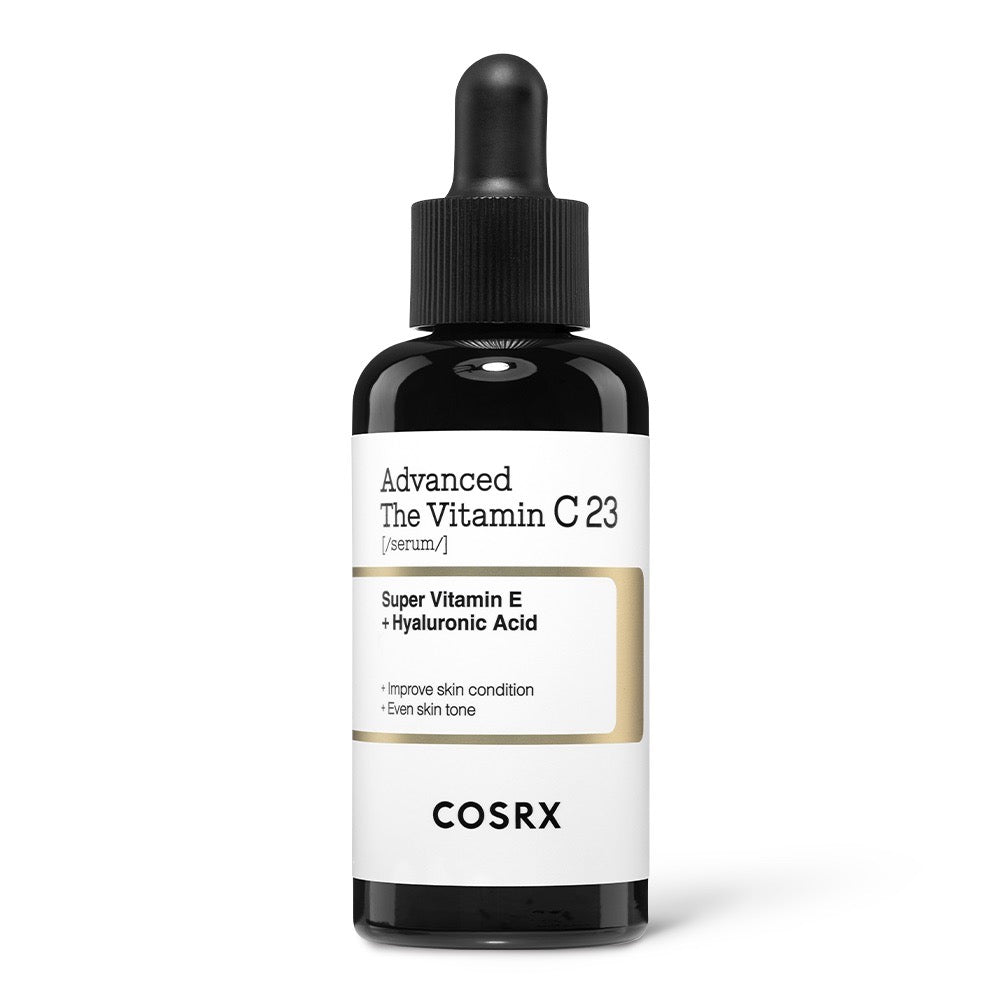
Vitamin C, scientifically known as L-ascorbic acid (L-AA), is a potent antioxidant that is indispensable for skin health. It’s the more glamorous of the two ingredients, often associated with a coveted “glow,” but it’s also the more finicky due to its inherent instability. Beyond L-ascorbic acid, various derivatives exist, each with unique properties designed to enhance stability and penetration.
The Science Behind Its Benefits
Vitamin C is a powerhouse ingredient due to its multifaceted role in protecting, repairing, and rejuvenating the skin:
- Potent Antioxidant Protection: This is perhaps Vitamin C’s most well-known benefit. As a powerful antioxidant, it neutralizes free radicals generated by environmental stressors such as UV radiation, pollution, and infrared light. These free radicals cause oxidative stress, leading to cellular damage, collagen degradation, and premature skin aging. By scavenging these harmful molecules, Vitamin C acts as a critical shield, enhancing the skin’s natural defense mechanisms. It’s a powerful complement to sunscreen, providing an added layer of protection against daily damage.
- Brightens Skin and Evens Tone: Vitamin C is renowned for its ability to significantly brighten the complexion and reduce the appearance of hyperpigmentation. It achieves this primarily by inhibiting tyrosinase, a key enzyme involved in melanin (pigment) production. By slowing down melanin synthesis, Vitamin C helps to fade existing dark spots, sun spots, and post-inflammatory hyperpigmentation, revealing a more luminous and even skin tone. This direct inhibition of melanin production is a crucial distinction from niacinamide’s mechanism.
- Stimulates Collagen Production: Vitamin C is absolutely essential for collagen synthesis. It acts as a vital cofactor for two enzymes, prolyl hydroxylase and lysyl hydroxylase, which are crucial for stabilizing and cross-linking collagen molecules. Without adequate Vitamin C, the body cannot produce new collagen, leading to a loss of skin firmness and elasticity. By boosting collagen production, topical Vitamin C helps to reduce the appearance of fine lines and wrinkles, improve skin texture, and restore a youthful plumpness to the skin.
- Enhances UV Defense (Not a Sunscreen Replacement): While Vitamin C does not absorb UV rays and is not a substitute for sunscreen, its antioxidant properties significantly enhance the skin’s protection against UV-induced damage. By neutralizing free radicals generated by sun exposure, it helps to mitigate the downstream effects of UV radiation, such as DNA damage and inflammation. Using Vitamin C in the morning under sunscreen is a highly effective strategy for comprehensive daily protection.
- Improves Overall Radiance: The “glow” people talk about with Vitamin C is very real. This radiance is a cumulative effect of its brightening, collagen-boosting, and antioxidant properties working together to create healthier, more vibrant-looking skin.
L-Ascorbic Acid vs. Vitamin C Derivatives
The effectiveness of Vitamin C largely depends on its form and formulation.
- L-Ascorbic Acid (L-AA): This is the pure, most biologically active, and most potent form of Vitamin C. It is the gold standard, backed by the most extensive research demonstrating its efficacy in brightening, collagen stimulation, and antioxidant protection.
- Pros: Highest potency, fastest results, most research.
- Cons: Highly unstable; it degrades rapidly when exposed to light, air, and heat, turning yellow/orange and losing efficacy. Requires a low pH (typically 3.0-3.5) for optimal skin penetration, which can be irritating for sensitive skin.
- Vitamin C Derivatives: To overcome L-AA’s instability and potential for irritation, chemists have developed various derivatives. These are more stable and often gentler but need to be converted into L-ascorbic acid within the skin to be effective. Their potency depends on their conversion efficiency.
- Common Derivatives:
- Sodium Ascorbyl Phosphate (SAP) & Magnesium Ascorbyl Phosphate (MAP): Water-soluble, stable, and gentler. SAP is particularly noted for its anti-acne properties.
- Ascorbyl Glucoside: Water-soluble, stable, and often found in brightening formulations.
- 3-O-Ethyl Ascorbic Acid: A relatively new, highly stable, water- and oil-soluble derivative that penetrates well and has good brightening and antioxidant properties.
- Tetrahexyldecyl Ascorbate (THD Ascorbate): An oil-soluble, highly stable, and potent derivative that penetrates deeply into the skin. It’s often considered one of the most effective derivatives, particularly for anti-aging and brightening.
- Pros: Enhanced stability, less irritation, better penetration for some forms, suitable for sensitive skin.
- Cons: Generally less potent than pure L-AA (as they need to be converted), may take longer to show results, and less research available on their full spectrum of benefits compared to L-AA.
- Common Derivatives:
Who It’s Best For
- Anyone Concerned About Aging or Sun Damage: Its collagen-boosting and antioxidant properties are crucial for preventing and treating signs of aging.
- Dull, Tired-Looking Skin: Vitamin C delivers a noticeable boost in radiance and luminosity, making skin appear more vibrant.
- Hyperpigmentation or Dark Spot Concerns: Its direct action on melanin production makes it highly effective for fading various types of dark spots. See our full guide on how to fade dark spots with K-Beauty.
- People Who Want Maximum Antioxidant Protection: Especially when paired with sunscreen, it offers superior defense against environmental aggressors.
What It Won’t Do
Vitamin C won’t directly control oil production, minimize pore appearance, or significantly calm redness and inflammation in the way niacinamide does. If those are your primary concerns, niacinamide is the better choice. It’s also not a standalone anti-aging treatment; it’s one powerful piece of a comprehensive routine that should also include sunscreen and potentially other actives like retinoids.
Niacinamide vs. Vitamin C Head-to-Head: A Detailed Comparison
When deciding between niacinamide and vitamin C, it’s helpful to see their key attributes side-by-side. While both are excellent, their strengths lie in different areas, making them suitable for distinct primary concerns or complementary roles within a routine.
| Factor | Niacinamide | Vitamin C (L-Ascorbic Acid) |
|---|---|---|
| Best For | Oily skin, acne, enlarged pores, redness, barrier issues, sensitivity, mild hyperpigmentation | Dullness, aging, sun damage, dark spots, antioxidant protection, collagen loss |
| Primary Benefit | Barrier repair, oil regulation, anti-inflammation, pore refining, melanin transfer inhibition | Antioxidant protection, brightening, collagen synthesis, tyrosinase inhibition |
| Concentration (Typical) | 2-5% for most benefits (up to 10% for specific concerns like severe oiliness, but diminishing returns/irritation possible) | 10-20% for L-Ascorbic Acid (lower for derivatives, depending on type) |
| Time of Day | AM or PM; very flexible | AM (for antioxidant synergy with sunscreen) is often preferred, but can be PM |
| Skin Types | All, especially oily, combination, sensitive, acne-prone | All, especially normal, dry, mature, dull, hyperpigmented |
| Irritation Risk | Very low; generally soothing and well-tolerated | Moderate (L-AA at high concentrations can cause tingling, dryness, or irritation, especially for sensitive skin) |
| Stability | Very stable; resistant to light, heat, air, pH changes | Highly unstable; degrades quickly with light, air, heat, and high pH. Requires specific packaging. |
| pH Dependency | Not pH-dependent; effective across a wide pH range | L-Ascorbic Acid requires a low pH (typically 3.0-3.5) for optimal absorption and efficacy. |
| Price Point | Generally affordable and widely available | Good formulations (especially L-AA with stabilizers) can be more expensive due to complex formulation and packaging requirements |
| Time to Visible Results | 4-8 weeks for barrier improvement, oil control, and pore appearance. Longer for hyperpigmentation. | 2-4 weeks for initial glow/brightness. 8-12 weeks for significant dark spot reduction and collagen benefits. |
| Mechanism for Dark Spots | Inhibits melanosome transfer from melanocytes to keratinocytes | Directly inhibits tyrosinase enzyme (melanin production) and provides antioxidant protection |
This head-to-head comparison highlights that while both ingredients contribute to overall skin health and radiance, they do so through different pathways. Niacinamide is your go-to for strengthening, calming, and balancing the skin, making it an excellent foundational ingredient. Vitamin C, particularly L-ascorbic acid, is your heavy hitter for active anti-aging, intense brightening, and robust environmental protection. The choice between them, or the decision to use both, hinges on your primary skin concerns and how they fit into your broader routine.
Can You Use Them Together? Debunking the Myth
One of the most persistent and widely circulated myths in skincare is the idea that niacinamide and vitamin C cannot be used together. This notion originated from a misinterpretation of a decades-old study from the 1960s. Let’s definitively debunk this myth.
The Origin of the Myth
The concern stemmed from early research suggesting that when L-ascorbic acid (Vitamin C) and nicotinic acid (a less common form of Vitamin B3, not niacinamide) were combined in an unstable, unformulated solution at high temperatures and low pH, they could react to form nicotinamide ascorbate, which could then break down into nicotinic acid. Nicotinic acid is known to cause temporary skin flushing, redness, and irritation. The assumption was that niacinamide would similarly convert to nicotinic acid in the presence of Vitamin C, leading to irritation.
The Modern Reality: Why It’s No Longer a Concern
Modern skincare science and formulation technology have rendered this concern largely obsolete for several critical reasons:
- Niacinamide, Not Nicotinic Acid: The ingredient commonly used in skincare is niacinamide, not nicotinic acid. Modern niacinamide formulations are highly purified and contain negligible amounts of residual nicotinic acid. Therefore, the risk of conversion to a flushing agent is minimal to non-existent.
- Stable Formulations: Skincare products today are meticulously formulated for stability. Reputable brands use buffered formulas, stable derivatives, and appropriate packaging to maintain ingredient integrity. The conditions (high heat, extreme low pH) under which the old study observed a reaction are simply not reflective of how modern skincare products are used or formulated.
- Negligible Conversion: Even if a tiny conversion were to occur, the amount of nicotinic acid produced would be so minuscule that it’s highly unlikely to cause any noticeable flushing or irritation for the vast majority of users.
- Scientific Consensus: The overwhelming consensus among dermatologists and cosmetic chemists today is that niacinamide and vitamin C are perfectly compatible and can be used effectively in the same routine, whether layered or used at different times of the day. Many reputable brands even formulate products that combine both ingredients successfully.
How to Use Niacinamide and Vitamin C Together Effectively
Given their compatibility, incorporating both niacinamide and vitamin C into your routine can offer comprehensive benefits, addressing a wider range of concerns from anti-aging and brightening to barrier repair and oil control. Here are the most effective strategies:
Option 1: Layer Them in the Same Routine
This is a popular and effective method, especially if you prefer a streamlined routine. The key is to apply them in the correct order:
- Apply Vitamin C serum first. L-ascorbic acid, in particular, is pH-dependent and works best when applied directly to clean, dry skin to allow its low pH to optimize absorption.
- Wait a minute or two. Allow the Vitamin C to fully absorb and for your skin’s pH to stabilize slightly. This short waiting period can help prevent any potential (though unlikely) interaction and ensures each ingredient can perform optimally.
- Follow with Niacinamide serum. Niacinamide is not pH-dependent, so it can be applied after Vitamin C without issue. Its soothing and barrier-supporting properties can even help mitigate any mild irritation that a potent Vitamin C serum might cause.
Option 2: Split AM/PM Application (Recommended for Many)
This is often the preferred method for many skincare enthusiasts and professionals, including most of us on the team, as it simplifies the routine and maximizes the benefits of each ingredient.
- Vitamin C in the Morning (AM): Apply your Vitamin C serum after cleansing and toning. Its powerful antioxidant properties make it an ideal morning choice to protect your skin from environmental aggressors (UV, pollution) throughout the day. Always follow with a broad-spectrum sunscreen.
- Niacinamide in the Evening (PM): Apply your niacinamide serum after cleansing and toning in your evening routine. This allows niacinamide to work overnight, focusing on barrier repair, reducing inflammation, regulating oil, and supporting overall skin health without competing with morning actives. This approach also simplifies the layering serums the right way.
Option 3: Alternate Days
If you have extremely sensitive skin, are new to active ingredients, or are introducing multiple new products at once, alternating days can be a gentle way to incorporate both.
- Use Vitamin C on one day (e.g., Monday, Wednesday, Friday).
- Use Niacinamide on the next day (e.g., Tuesday, Thursday, Saturday).
- This slower introduction minimizes any potential for irritation and allows your skin to adapt gradually.
Adding more actives to your routine? Always check all your ingredients against each other with our skincare ingredient compatibility guide.
Which Should YOU Choose? (Or When to Choose Both)
Deciding between niacinamide and vitamin C, or whether to incorporate both, depends largely on your primary skin concerns and goals. Think of them as specialized tools in your skincare toolkit.
Pick Niacinamide If:
- Your skin is oily, combination, or acne-prone: Niacinamide’s ability to regulate sebum production, minimize pore appearance, and reduce inflammation is incredibly beneficial for these skin types. It can help reduce breakouts and control shine.
- You’re sensitive or reactive to most actives: Niacinamide is renowned for its soothing and barrier-strengthening properties, making it one of the most well-tolerated active ingredients. It can help calm redness and improve skin resilience.
- Enlarged pores, uneven texture, or persistent redness are your main concerns: Its multifaceted benefits directly target these issues, leading to a smoother, more even complexion.
- You want a low-maintenance, hard-to-mess-up ingredient: Niacinamide is stable, compatible with almost everything, and rarely causes irritation, making it an excellent choice for beginners or those who prefer a simple routine.
- You’re looking to support your skin barrier health: If your skin feels tight, dry, or easily irritated, niacinamide will help rebuild and strengthen its protective barrier.
Pick Vitamin C If:
- Dullness or a lack of radiance is your top complaint: Vitamin C is unparalleled in its ability to brighten the complexion, bringing a vibrant, healthy glow to tired-looking skin.
- You have sun damage, hyperpigmentation, or dark spots: Its direct action on melanin production makes it highly effective at fading existing discoloration and preventing new spots.
- You’re concerned about premature aging, fine lines, and loss of firmness: Vitamin C’s crucial role in collagen synthesis helps to maintain skin elasticity and reduce the visible signs of aging.
- You want maximum antioxidant protection against environmental damage: As a powerful free radical scavenger, Vitamin C provides an essential layer of defense against pollution and UV-induced damage (always in conjunction with sunscreen).
- You’re willing to be more careful about storage and application: Due to its instability, Vitamin C (especially L-ascorbic acid) requires specific packaging and usage habits to maintain its efficacy.
When to Choose Both: The Ultimate Strategy
For comprehensive skin health and addressing a wide array of concerns, using both niacinamide and vitamin C is often the optimal strategy. They complement each other beautifully, tackling different aspects of skin wellness without conflict.
- For Anti-Aging & Barrier Support: Use Vitamin C for its collagen-boosting and antioxidant power, and niacinamide to fortify your skin barrier, making it more resilient to the stresses of aging and environmental exposure.
- For Brightening & Calming: Combat dullness and dark spots with Vitamin C, while simultaneously calming any redness or sensitivity with niacinamide.
- For Acne & Post-Acne Marks: Niacinamide controls oil and inflammation, while Vitamin C helps fade the lingering dark spots (post-inflammatory hyperpigmentation) that acne leaves behind.
For what it’s worth, if we could only pick one active for the rest of our lives: many would lean towards vitamin C. The antioxidant protection alone, coupled with its collagen-stimulating and brightening prowess, makes it arguably the single most impactful ingredient after sunscreen for overall skin health and anti-aging. For specific product picks and routines, see our vitamin C in Korean skincare guide. However, niacinamide is the one we’d recommend to a complete beginner because it’s essentially foolproof, incredibly versatile, and addresses fundamental skin health concerns with minimal risk. If you’re also considering other powerful anti-aging ingredients, check out our guide on retinol for beginners.
How to Add Them to Your Routine
Integrating new active ingredients into your routine should always be done thoughtfully to maximize benefits and minimize potential irritation. Here’s how to incorporate niacinamide and vitamin C, keeping in mind the general rule of applying products from thinnest to thickest consistency.
General Layering Principles:
- Cleanse: Always start with a clean face.
- Tone: Apply toner to balance skin pH and prepare it for actives.
- Actives: Apply serums or treatments.
- Moisturize: Lock everything in with a moisturizer.
- Protect (AM): Finish with sunscreen in the morning.
Specific AM/PM Placement Strategies:
Option A: Split AM/PM (Most Recommended)
This method leverages the unique strengths of each ingredient at different times of the day, reducing the complexity of layering and potential for interaction (though minimal).
-
Morning Routine (AM):
- Cleanser
- Toner
- Vitamin C Serum: Apply your Vitamin C serum (especially L-ascorbic acid) here. Its antioxidant properties provide an excellent defense against environmental damage when paired with sunscreen.
- Moisturizer
- Sunscreen: Non-negotiable!
-
Evening Routine (PM):
- Cleanser (double cleanse if wearing makeup/sunscreen)
- Toner
- Niacinamide Serum: Apply your niacinamide serum here. It can work overnight to repair the skin barrier, reduce inflammation, and regulate oil production.
- Moisturizer
- (Optional: Other evening actives like Retinol or AHA/BHA can be used on alternate nights or after niacinamide, depending on sensitivity. Niacinamide can even help buffer retinol irritation.)
Option B: Layering in the Same Routine (AM or PM)
If you prefer to use both in one session, this is how you’d do it:
- Morning or Evening Routine:
- Cleanser
- Toner
- Vitamin C Serum: Apply first, as L-ascorbic acid benefits from being applied to clean skin at its optimal pH.
- Wait 1-2 minutes: Allow the Vitamin C to absorb fully.
- Niacinamide Serum: Apply next.
- Moisturizer
- Sunscreen (AM only)
Integration with Other Actives:
- AHAs/BHAs (Exfoliating Acids): If you use strong exfoliating acids (like glycolic or salicylic acid), consider using them on different nights than your Vitamin C (if using Vitamin C in PM) or on alternate nights than your niacinamide. Niacinamide can, however, be used to soothe skin on nights you’re not exfoliating. For Vitamin C, ensure it’s applied to dry skin, and if using an AHA, apply the AHA first, wait, then Vitamin C, or split them AM/PM.
- Retinoids: Niacinamide is an excellent partner for retinoids (retinol, retinal, tretinoin). It can help reduce the irritation, redness, and dryness often associated with retinoid use. You can apply niacinamide before or after your retinoid, or use niacinamide in the AM and retinoid in the PM. Vitamin C and retinoids are also compatible, with Vitamin C typically used in the AM and retinoids in the PM for maximum benefit and minimal interaction.
For a comprehensive guide on how different ingredients interact, consult our skincare ingredient compatibility guide.
What to Look For in Products
To ensure you’re getting the most out of these powerhouse ingredients, knowing what to look for in product formulations is crucial.
For Niacinamide Products:
- Concentration: Look for products with 2-5% niacinamide for most general benefits. Research indicates that concentrations above 5% often show diminishing returns, and some individuals may experience flushing or mild irritation at 10% or higher, though many tolerate it well. A 10% concentration can be beneficial for very oily or acne-prone skin, but it’s not always necessary for everyone.
- Formulation: Niacinamide is very stable and can be found in various product types, from watery serums and light lotions to heavier moisturizers. It’s often combined with other soothing and hydrating ingredients like hyaluronic acid, ceramides, or panthenol, which further enhance its barrier-repairing properties.
- Packaging: Due to its stability, packaging is less critical for niacinamide, but opaque, air-tight containers are always preferred to maintain overall product integrity.
For Vitamin C Products:
- Form of Vitamin C:
- L-Ascorbic Acid (L-AA): If you’re looking for the most potent and fastest results, choose L-AA. Ensure it’s formulated with a low pH (around 3.0-3.5) and often includes synergistic antioxidants like Vitamin E (tocopherol) and Ferulic Acid for enhanced stability and efficacy (e.g., CE Ferulic type serums).
- Derivatives: If you have sensitive skin, are new to Vitamin C, or prefer a more stable option, look for derivatives like 3-O-Ethyl Ascorbic Acid or Tetrahexyldecyl Ascorbate (THD Ascorbate). These are less irritating and more stable but may take longer to show results.
- Concentration: For L-Ascorbic Acid, effective concentrations typically range from 10-20%. Beginners might start with 10-15%. Higher than 20% can increase the risk of irritation without significantly boosting efficacy. For derivatives, concentrations vary widely, and higher percentages are often used.
- Packaging: This is critical for L-Ascorbic Acid. Always choose products in dark, opaque, air-tight bottles (preferably with a dropper that doesn’t expose the entire product to air) to protect it from light and air, which cause oxidation. If your L-AA serum turns dark yellow or orange, it has oxidized and is no longer effective.
- Texture: Serums are the most common and effective delivery method for Vitamin C.
Frequently Asked Questions
Q1: Can you use niacinamide and vitamin c together?
A: Yes, absolutely! The old myth about incompatibility has been thoroughly debunked by modern skincare science. Both ingredients are highly beneficial and can be safely and effectively used in the same routine, either layered one after the other (Vitamin C first, then Niacinamide) or by splitting them between your morning (Vitamin C) and evening (Niacinamide) routines. The AM/PM split is often preferred for simplicity and to maximize the antioxidant benefits of Vitamin C during the day.
Q2: Which is better for dark spots: niacinamide vs vitamin c?
A: Both niacinamide and vitamin C are excellent for addressing dark spots, but they work through different mechanisms.
- Vitamin C (especially L-Ascorbic Acid) directly inhibits tyrosinase, the enzyme responsible for melanin production. This makes it generally more potent and faster-acting for fading existing dark spots and hyperpigmentation.
- Niacinamide inhibits the transfer of melanosomes (pigment packets) from melanocytes to surface skin cells. This prevents pigment from reaching the skin’s surface, helping to reduce the visibility of dark spots and prevent new ones from forming. For stubborn or significant dark spots, Vitamin C might be the primary choice, but niacinamide is a fantastic complementary ingredient for overall tone improvement and prevention. Using both can offer a comprehensive approach to hyperpigmentation.
Q3: Should I use vitamin c in the morning or night?
A: While you can use Vitamin C at night for its collagen-stimulating and brightening effects, using it in the morning is generally preferred and highly recommended. In the morning, its powerful antioxidant properties provide an essential shield against environmental aggressors like UV radiation and pollution, boosting the efficacy of your sunscreen. It helps neutralize the free radicals generated throughout the day, protecting your skin from damage. For a detailed guide on integrating it into your morning routine, see our vitamin C in Korean skincare guide.
Q4: Can niacinamide cause purging?
A: Niacinamide is generally not associated with purging. Purging is a process where ingredients that accelerate cell turnover (like retinoids or AHAs/BHAs) bring underlying congestion to the surface, causing temporary breakouts. Niacinamide does not primarily work by accelerating cell turnover in this way. If you experience breakouts or irritation when introducing niacinamide, it’s more likely an allergic reaction, a sensitivity to another ingredient in the product, or simply your skin adjusting, rather than true purging. Niacinamide is typically very well-tolerated and often used to reduce irritation.
Q5: Is niacinamide good for acne?
A: Yes, niacinamide is very good for acne-prone skin. Its benefits directly address several factors contributing to acne:
- Oil Control: It helps regulate sebum production, reducing excess oil that can clog pores.
- Anti-inflammatory: It calms redness and inflammation associated with active breakouts, making lesions appear less angry.
- Barrier Support: It strengthens the skin barrier, which is often compromised in acne-prone skin, making it more resilient and less susceptible to irritation.
- Hyperpigmentation: It helps fade post-inflammatory hyperpigmentation (PIH), the dark spots left behind after acne heals.
Q6: What concentration of Vitamin C is best?
A: For L-Ascorbic Acid, concentrations between 10% and 20% are generally considered optimal and most effective. Beginners with sensitive skin might start at 10-15%. Going above 20% doesn’t necessarily provide more benefits and can increase the risk of irritation. For Vitamin C derivatives, the optimal concentration can vary widely depending on the specific derivative (e.g., THD Ascorbate can be effective at 5-10%, while some water-soluble derivatives might be higher). Always follow the product’s recommendations.
Q7: Can I use niacinamide with retinol?
A: Absolutely! Niacinamide and retinol are an excellent pairing. Niacinamide can significantly help to mitigate some of the common side effects associated with retinoid use, such as redness, dryness, and irritation, by strengthening the skin barrier and providing anti-inflammatory benefits. This makes retinol more tolerable for many users, especially those with sensitive skin or new to retinoids. You can layer them in the same routine (niacinamide first, then retinol) or use niacinamide in the morning and retinol in the evening.
Ready to shop? Our best Korean niacinamide serums guide covers 8 K-beauty picks across concentrations and budgets, with head-to-head comparisons for acne, brightening, and pore-minimising goals.